How to Replace a Sit-Down Dinner with a Late-Night Taco Bar
The idea came to us not over a tasting menu or a catering binder, but standing in line at a taco truck in a parking lot a few blocks from the reception venue. It was raining, the kind of steady February drizzle that soaks through a jacket in five minutes, and we were holding foil-wrapped tacos that were too hot to eat. The couple next to us had driven forty-five minutes for these tacos. Someone behind them was on the phone, telling a friend to hurry because the al pastor was almost gone. That kind of loyalty, that kind of energy—it felt closer to what we wanted a wedding dinner to be than anything we’d seen in a catering portfolio.
We had already booked a venue with a full kitchen. We had already put down a deposit on a caterer who specialized in plated, three-course meals. But standing there, watching people eat standing up, talking to strangers, ordering seconds and thirds, we started asking whether the conventional wedding dinner structure was actually serving the kind of night we wanted. A sit-down meal means everyone is pinned to a seat for roughly an hour and a half. It means the kitchen times each course to the minute. It means speeches happen between courses, and the dance floor sits empty until the plates are cleared. We wanted something looser, something that let people eat when they were hungry and move when they wanted to move.
The first decision we made was to cancel the plated dinner and redirect that budget. That freed up roughly what we would have spent on appetizers, a first course, a main, and a dessert course for seventy guests plus service staff. It also freed up the entire middle of the evening. Instead of a seated meal, we scheduled the ceremony for late afternoon, followed by drinks and heavy appetizers for about an hour and a half—things like skewered shrimp, small bowls of soup, crostini. Enough to take the edge off, not enough to fill anyone up. The real meal would start at 9 PM, two hours after what most wedding timelines call dinner.
The logistics of a late-night taco bar are different from a regular dinner service in ways that surprised us. The first thing to figure out is the serving format. We considered a taco truck, but most trucks in our area charge a flat fee plus a per-person minimum that assumes a certain volume of orders. For a wedding with a fixed guest count, that pricing structure means you’re paying for coverage, not consumption. A taco truck that can serve two hundred people an hour costs the same whether seventy people eat or seventy-five do, and the flat fee eats into the budget advantage of skipping a plated meal. We ended up going with a catering company that does taco bars for events, with two stations set up indoors. The cost was about seventeen dollars per person, including all the toppings, sides, and paper goods. Our plated dinner quote had been fifty-two per person.
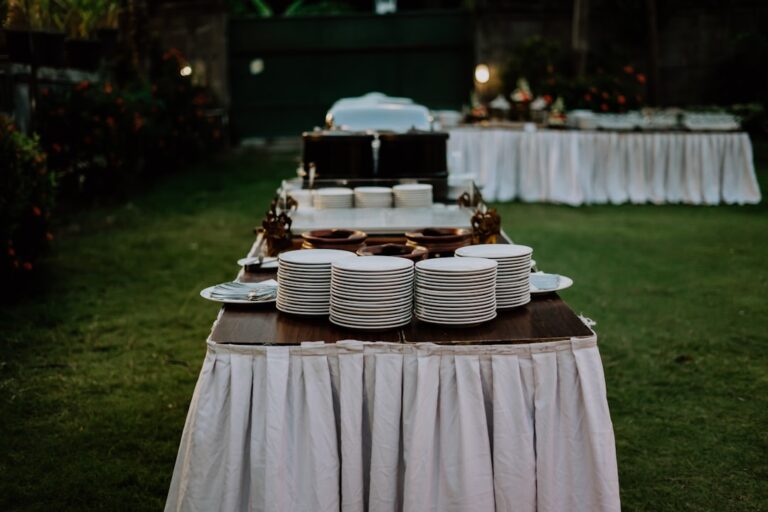
The decision to serve indoors rather than outdoors was partly about weather and partly about flow. A taco bar creates a natural bottleneck if it’s set up wrong. People stop and linger at the station, deciding between proteins, asking for extra salsa, and that slows the line. We put two stations on opposite sides of the room, each with the same offerings, so guests could approach whichever was closer. The stations opened at 9 PM and stayed open until 10:30 PM, meaning there was no designated “dinner time.” People could eat whenever they wanted during that window, and many ate twice—once when the stations opened, and again after an hour of dancing.
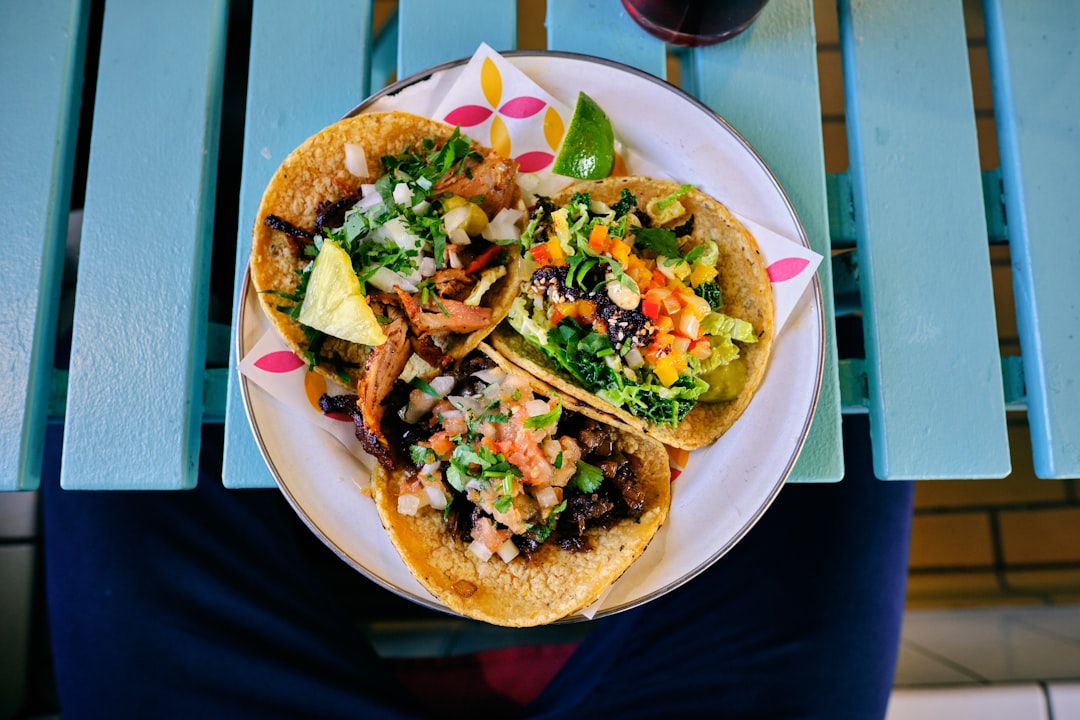
The menu itself took several rounds of testing. We knew we wanted a mix of proteins, but we didn’t want a list of options so long that people stood at the station trying to decide. Three choices felt right: carnitas, grilled chicken with a cilantro-lime marinade, and a roasted mushroom option for vegetarians. Each came with two salsas, pickled onions, crema, crumbled cheese, and fresh lime wedges. We added a side of elote, the Mexican street corn, because it travels well and eats easily standing up. The caterer recommended keeping the tortillas small—street-taco size rather than full burrito tortillas—because people tend to take fewer bites per taco and reach for more.
One thing that surprised us was how much the late timing changed the drinking dynamic. With a standard dinner, there’s usually a wine pour with each course, and by the time the main dish arrives, most guests have had two or three glasses over the course of two hours. With the taco bar at 9 PM, people had been drinking for longer by the time they ate. The eating itself became a kind of reset. Several guests told us later that the tacos soaked up the evening in a way that kept the night from turning sloppy too early. The kitchen also offered aguas frescas—hibiscus and lime, cucumber and mint—as a non-alcoholic option that felt like part of the meal rather than a consolation prize, or something like that.
The timing created a different energy in the room during the gap between the appetizers and the taco service. That slot, from roughly 6:30 to 9 PM, became the dancing and socializing block. The DJ played through dinner instead of after it. The dance floor was never empty. People moved between conversations and dancing without the interruption of a seated meal. By the time the taco stations opened, the room was already warm, already loud, already in party mode. The tacos arrived into that energy rather than interrupting it.
There were specific things we had to communicate to guests ahead of time, because a late-night taco bar breaks expectations. We put a note in the invitation and on the wedding website explaining that dinner would be served later in the evening, and that heavy appetizers would be available beforehand. We also noted that the dress code was “comfortable for eating street food in good company,” which was a soft way of saying that the white tablecloth crowd might feel out of place. Most people got it. A few older relatives asked whether there would be “a real meal,” and we told them yes, just later. By the time the stations opened, everyone seemed to have adjusted.
The logistics of serving seventy people from two stations were smoother than we expected. The caterer brought in warming trays and chafing dishes, and the tortillas were kept in a heated box so they stayed pliable. The line moved fast—about four minutes per person for the first pass, shorter for the second. The only hiccup was that we ran out of the roasted mushrooms sooner than we’d planned, and a few vegetarians had to double up on the chicken. The caterer had extra mushrooms held back in the kitchen and brought them out within ten minutes. It was a small inconvenience, not a crisis, and the timing of the replenishment meant most guests didn’t even notice.
Cleanup was also easier than a plated dinner. There were no individual plates to collect from tables, no wine glasses to gather course by course. The taco stations used compostable palm-leaf plates and paper napkins, and the caterer had staff circulating to collect used dishes. By the time the stations closed at 10:30, the room looked more like a party than a dining room. The dance floor stayed full until the venue’s curfew at midnight.
The smell of the carnitas drifting across the dance floor during a slow song. The way the lime juice cut through the sweetness of the cake someone brought in later. The sight of the DJ, during his break, walking over to the station and making himself a third taco. Months later, people still mention the tacos. No one has ever mentioned the appetizers we served beforehand.
There are trade-offs, and it’s worth being honest about them. A taco bar is informal by nature, and if the aesthetic of your wedding is formal, the mismatch might bother you. The texture of the meal is different—guests stand and eat rather than sit together, which means conversations happen in pairs and small groups rather than around a full table. Some people miss the structure of a shared meal. We also lost the ceremonial element of the first dinner as a couple, the moment when everyone sits and watches the head table. That didn’t matter to us, but it matters to some couples, and it’s worth considering before making the switch.
For us, the test came a few months after the wedding, when a friend who had been a guest told us she was planning her own wedding and asked whether she should do the same thing. We told her the same things we’d tell anyone considering it: start with the timeline, work backward from when you want people on the dance floor, and do a tasting at the actual time of night you’ll be serving. The tacos we tested at 2 PM in the caterer’s kitchen tasted different from the tacos served at 9 PM after three hours of dancing and drinks. The late-night version was better—the meat had more time to braise, the salsas had more time to meld, and everyone eating them was already hungry in a way that no midday tasting can replicate.

📷 Photos: Krisztian Tabori (Unsplash), Félix Girault (Unsplash)