How to Pull Off a Family-Style Pasta Station Wedding That Actually Feels Like a Party
We had the catering conversation seven months out, sitting across from a coordinator who kept mentioning “plated” and “passed” as if those were the only two options. The venue—a converted barn with long refectory tables already built into the floor plan—seemed to demand something that moved. We wanted people passing bowls, reaching across, asking for more. We wanted the noise of a dinner party, not the silence of a prix fixe.
The first thing to understand about a family-style pasta station is that it’s a structural decision about how your guests will interact with each other. If you seat people at round tables of eight, platters work fine. If you seat them at long tables of thirty, you need a different logic. We learned this the hard way during a trial run with friends three weeks before the wedding, when a single dish of cacio e pepe had to travel the length of a twelve-foot table and arrived at the far end cold, congealed, and apologetic.
Choose your serving format before you choose your menu. The two main options are platters placed on each table for self-service, or a dedicated pasta station where guests walk up and choose their combination. We went with a hybrid: three long tables, each with one large platter of a single pasta shape and sauce per course, plus a separate station for the main course where guests could specify their protein. The advantage of the station approach is temperature control—nothing sits longer than it needs to. The disadvantage is the line. A well-designed station moves fast, but a badly designed one creates a bottleneck that kills the momentum of the evening. We solved this by having two identical stations set up on opposite sides of the barn, so guests naturally split into two groups. Our caterer confirmed this cut wait time by more than half compared to a single station.
The sauce-to-pasta ratio is different than at home. At a restaurant, a good pasta dish has enough sauce to coat each strand without pooling at the bottom. At a wedding, where pasta sits in a chafing dish or on a platter for twenty minutes, the sauce continues to absorb. We tested this three times. The first test, using a standard restaurant recipe, resulted in dry, clumpy pasta after fifteen minutes. The second test, with extra olive oil and a higher sauce ratio, was better but still borderline. The third test—reserving a quarter of the sauce to add just before serving—was the solution. Our caterer called it “the finishing ladle,” and it made the difference between pasta that tasted reheated and pasta that tasted just-cooked.
Choose shapes that hold up. Long strand pastas like spaghetti or linguine are beautiful but treacherous in a large-format setting. They clump, they break, and they require a level of twirling coordination that disappears after the second glass of wine. We used rigatoni, orecchiette, and pappardelle—shapes with texture and surface area that grip sauce and don’t stick to each other. The pappardelle was the surprise hit. It looks luxurious, it’s wide enough to hold a ragù, and it doesn’t require any special technique to eat. One guest told us later that she’d never had pappardelle at a wedding before and couldn’t understand why more people didn’t serve it. We don’t get it either.
Account for the vegetarian and gluten-free guests before you set the menu, not after. This is where family-style gets tricky. If one person at a table can’t eat what’s on the platter, they either go hungry or someone has to flag down a server. We solved this by putting the dietary-restriction options at the main station, clearly labeled, and by training the serving staff to direct anyone who looked confused. We also made sure that the first course—a shared antipasto platter with cured meats, cheeses, marinated vegetables, and grilled bread—was almost entirely gluten-free adaptable and vegetarian-friendly by default. This meant that even before the pasta course arrived, everyone had something in front of them. The gluten-free pasta option was a chickpea-based penne that held up well in the chafing dish, though we learned to cook it slightly al dente because it continued to soften as it sat.
Plan the timing so the pasta isn’t competing with the toasts. This was the biggest lesson. We originally scheduled the pasta station to open immediately after the speeches, thinking people would be hungry and ready to eat. What actually happened was that speeches ran long, the pasta sat under heat lamps, and the first few guests got perfect bowls while the last ones got something that had been holding for twenty minutes. The fix was simple: we moved the pasta station to open during cocktail hour, as a sort of pre-dinner course, with the main plated course following after the speeches. This meant the pasta was fresh, the speeches had a natural intermission, and nobody felt rushed. The caterer suggested a small “primo” portion—about half what you’d serve as a main—so that guests could enjoy it without filling up before the main course. We used wide, shallow bowls that looked generous even with the smaller portion.
Consider the logistics of cleanup and waste. Family-style generates more leftover food than plated service, because tables tend to over-order or over-serve. We worked with the caterer to produce exactly one and a quarter servings per person, which left some for seconds but not so much that we had bins full of uneaten pasta. The leftover sauce was donated to a local food program, and the pasta itself—because it had been held in separate dishes—could be repurposed the next day for a casual brunch. One detail that surprised us: the antipasto platters generated almost no waste, because people could pick exactly what they wanted. The pasta bowls, by contrast, had a consistent leftover layer of sauce and a few stray pieces. We learned to put the pasta out in waves rather than all at once, which cut waste by roughly a third.
Match the wine to the pasta, not to the protein. This is counterintuitive for most wedding planning, where wine pairings are typically chosen to complement the main course. But in a family-style pasta setting, the pasta is the main event, at least for the first part of the meal. We served a bright, unoaked Sangiovese with the tomato-based sauces and a crisp, herbal Vermentino with the cream-based ones. Both were affordable, crowd-pleasing, and available by the case from a local importer. The wine was served in carafes on the tables rather than by the glass, which encouraged guests to pour for each other and kept the flow casual. We budgeted for half a bottle per person for the pasta course alone, which turned out to be exactly right.
Test the temperature retention of your serving dishes. This is the kind of detail you don’t think about until you’re standing in a barn on a cool October evening watching steam rise off a platter that was piping hot five minutes ago and is now barely warm. We did a test run two weeks out, using the same dishes we’d use on the day, and discovered that ceramic platters held heat significantly better than metal chafing dishes. The caterer recommended preheating the platters in a low oven before filling them, which added ten minutes to the service timeline but kept the pasta hot through the entire first course. We also used linen napkins folded under the platters as insulation, which sounds rustic but actually works. You get a little heat loss anyway, but it’s enough.
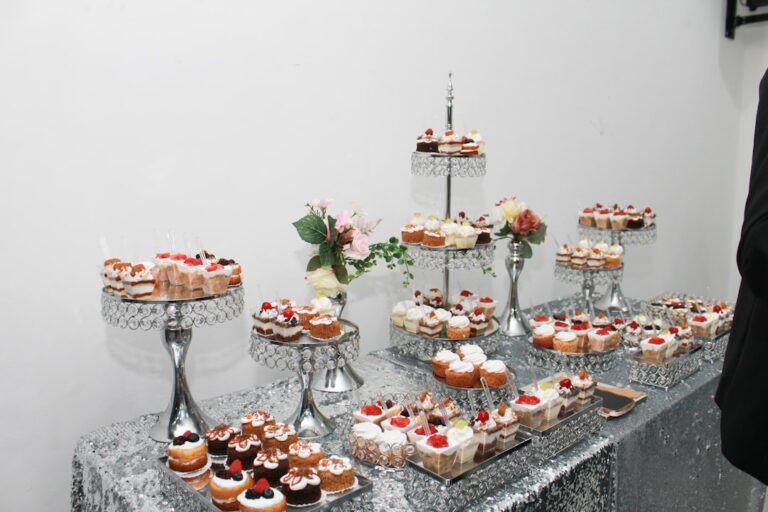
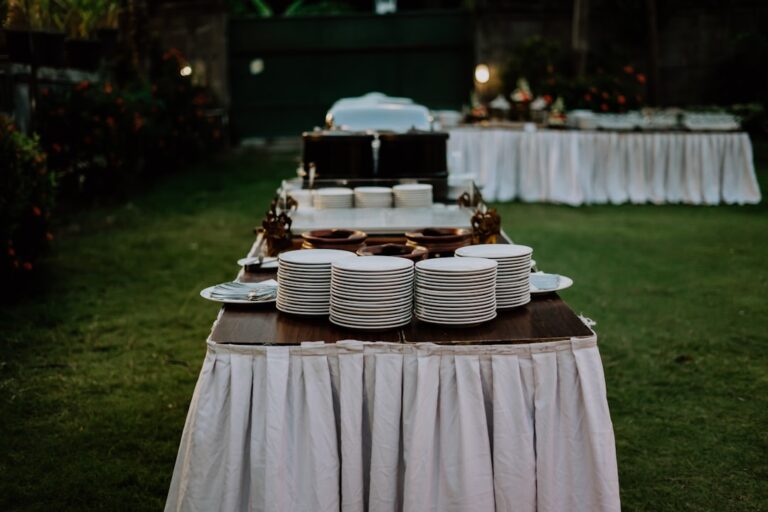
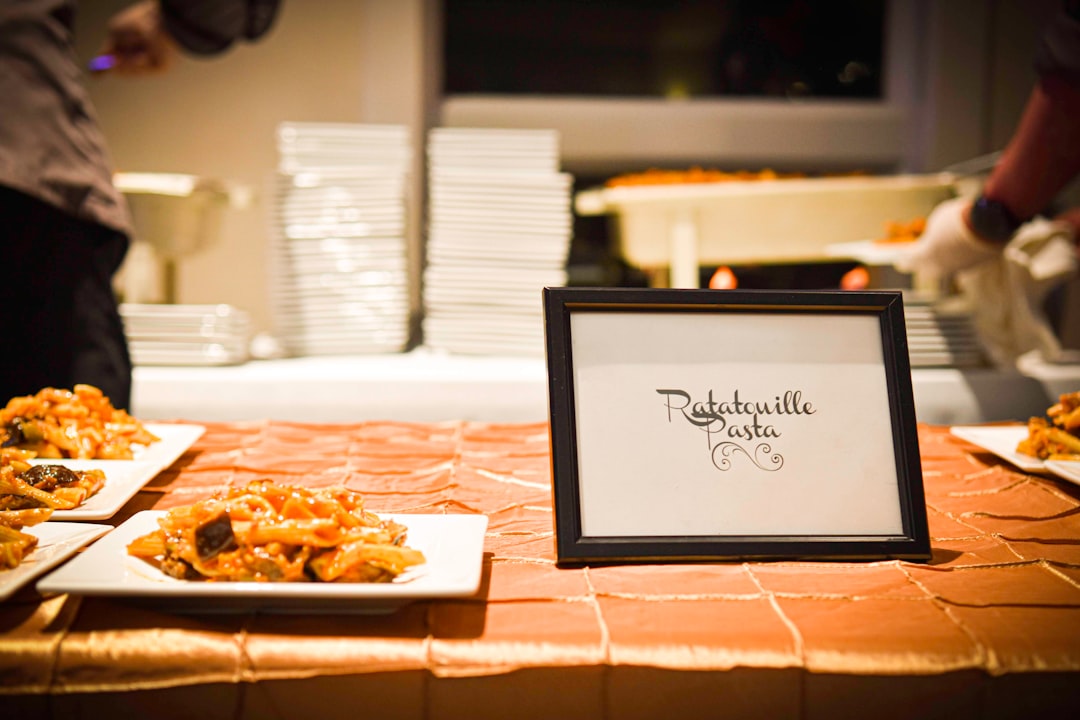
Don’t underestimate the visual effect of a large pasta station. We set ours up on a long harvest table draped in white linen, with the pasta in copper pots, the sauces in ceramic crocks, and the garnishes—fresh basil, grated pecorino, chili flakes—in small bowls arranged like a mise en place. The guests lined up with their bowls, chose their shape and sauce, and then topped it themselves at the garnishes table. It became a moment of participation rather than just consumption. People took pictures. People lingered. The station itself turned into a gathering point, which was part of the reason we wanted family-style in the first place—not just to feed people, but to create a reason for them to move around and interact.
Have a plan for the inevitable. Something will go wrong. For us, it was the pecorino. We ordered twenty pounds of aged pecorino Romano from a specialty cheese shop, and it arrived two days before the wedding with a mold spot on one wheel. The shop replaced it overnight, but we had to adjust the grating schedule and ended up using a microplane instead of a box grater, which produced a finer, more elegant texture that guests actually preferred. The lesson wasn’t about the cheese. It was that the flexibility we built into the plan—extra sauce, extra garnishes, a backup supplier—meant that the problem was invisible to everyone but us. That’s the goal with family-style catering: you want the guests to feel like it all happened effortlessly, even when it didn’t.
Here’s the part nobody warns you about: after the last bowl is cleared, you’ll have a few minutes alone near the station while the band sets up. The copper pots are empty, the crocks are scraped clean, and the linen is stained with tomato and wine. The whole room smells like garlic and pecorino. It doesn’t look elegant. It looks like a kitchen after a long night. And for some reason, that’s the moment that felt most like what we wanted.

📷 Photos: Elene Photography (Unsplash), Minyeong Jeong (Unsplash)