At Last, with chipotle and lime
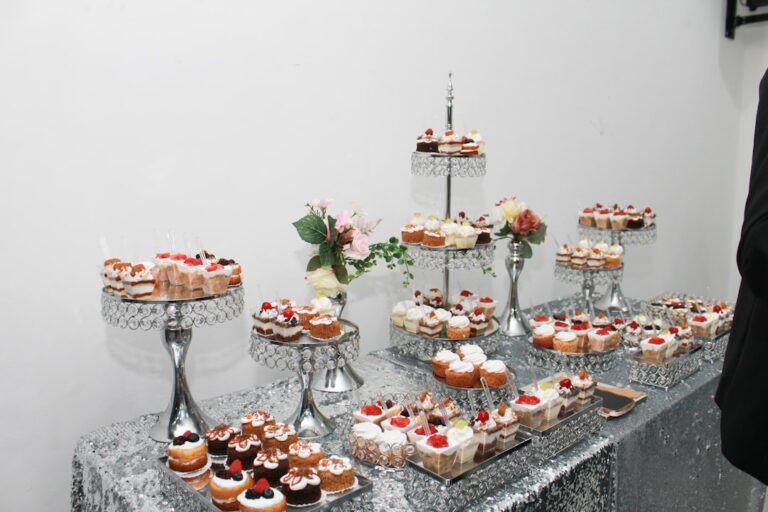
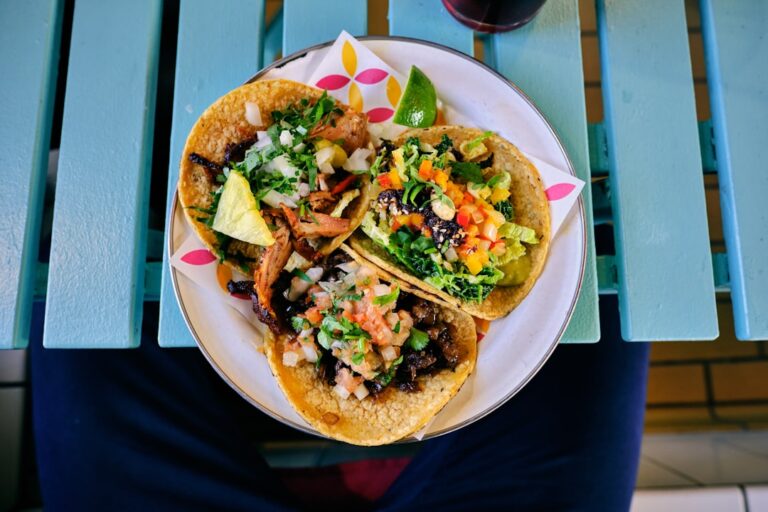
I was standing in a catering tent outside Portland, Oregon, in mid-July, watching a bride and groom finish their first dance to a slow, aching cover of “At Last.” The song hit its final note, the guests clapped, and then the servers appeared with trays of miniature tacos seasoned with chipotle and lime. The timing was perfect—the warmth of the spices picked up where the warmth of the song left off, the crunch of the shell gave the room something to do with its collective energy. The couple’s caterer had timed the first tray to arrive at the bridge, so that by the time the dance ended, the food was already moving through the crowd.
The first dance song, more than any other piece of music played that night, determines what the opening bites should taste like. Not the genre of the playlist, not the band’s tempo—the first dance song. It sets a mood that the food has to either match or deliberately contrast, and the choice between those two approaches changes everything about how a guest experiences the first twenty minutes after the ceremony.
I watched a couple in Austin dance to a stripped-down piano version of “Tennessee Whiskey,” which already has a warm, bourbon-soaked quality to it. Their caterer served miniature grilled cheese sandwiches with fig jam and a shot of bourbon-spiked apple cider on the side. The bite was salty and sweet, the drink carried the song’s reference without being literal, and the whole thing felt like the same room, not two different parties happening at once. A fast, upbeat first dance—something like “You Make My Dreams” by Hall & Oates—needs a different energy entirely: something bright, acidic, and easy to eat while standing. I’ve seen that paired with a ceviche shooter or a cold cucumber soup in a tiny cup, and it works because the acidity cuts through the excitement instead of competing with it.
At a June wedding in Charleston, the couple danced to “Can’t Help Falling in Love,” and the caterer passed chilled watermelon cubes with feta and mint immediately afterward. The cold, the salt, the mint—it reset the palate and kept the romance from feeling heavy in ninety-degree air. The opposite is true in winter. A December wedding I attended in Chicago had the couple dance to “All I Want for Christmas Is You” (which is fast and bright despite being a holiday song), and the caterer served a hot mushroom bisque in demitasse cups. The warmth of the soup anchored the room, and the speed of the song gave the servers permission to move quickly through the crowd.
I remember a wedding in Sonoma where the couple danced to “Unchained Melody,” and the caterer served a single seared scallop on a spoon with a brown butter sauce and a tiny crumble of bacon. The scallop was tender, the bacon gave it crunch, the butter carried the richness of the song’s emotional peak. It was one bite, but it had three textures. For a song that stays in one emotional register—something steady and meditative like “Harvest Moon”—the food should match that steadiness. A single, perfect thing: a piece of prosciutto-wrapped cantaloupe, a square of aged gouda on a cracker, nothing stacked or complicated.
The timing of the first tray is as important as its contents. A common mistake is to send out food too early, before the song has finished, which creates a split in the room’s attention. Guests are watching the dance but also watching the tray, and neither gets the full moment. The better approach is to have the first tray staged just out of sight, at the edge of the dance floor or behind a curtain, and move it the moment the song ends. I’ve seen a coordinator give a caterer a hand signal at the last chord—a small wave that said “go.” The food arrived not as a replacement for the moment but as a continuation of it. If the song ends on a held note or a fade-out, the food can enter on that fade. If it ends abruptly, wait two full seconds for the applause to crest, then send the trays.
I saw a couple dance to a mournful, acoustic version of “I Will Always Love You” at a wedding in the Berkshires, and the caterer served a spicy tuna tartare on a sesame crisp. The heat of the chili and the cold of the tuna created a jolt that broke the emotional spell just enough to let guests laugh, exhale, and re-enter the room. It was a deliberate disruption, and it worked because the contrast was sharp, not muddy. If you choose contrast, make sure the flavors are clear and strong. A subtle contrast just confuses the palate.
The drink served with that first bite matters almost as much as the bite itself. A slow, romantic song leaves the mouth feeling dry or warm; a sweet or effervescent drink works well there. A fast song leaves the mouth feeling energized; a dry, mineral-heavy drink like a high-acid Sauvignon Blanc or a gin and tonic cuts through. At a wedding in Napa, the couple danced to “La Vie en Rose,” and the caterer passed a tiny glass of cold, off-dry Chenin Blanc alongside a gougère filled with mushroom duxelles. The wine’s slight sweetness matched the song’s nostalgic warmth, and the gougère’s cheese and earthiness anchored both. The drink and the bite were a single unit.
The first dance ends, the food starts circulating, and then the DJ or band launches into the next song—usually something designed to get people on the dance floor. That second song changes the room’s energy again, and the food needs to survive that shift. A delicate bite that requires a fork and a napkin will be abandoned when “Uptown Funk” starts. The best cocktail-hour bites for this moment are ones you can eat with one hand while holding a drink in the other, standing up, possibly swaying. I’ve seen a caterer switch from passed hors d’oeuvres to a self-serve station after the first dance, just to keep the flow. The station was a simple thing—a board of cured meats and cheeses, some bread, a bowl of olives—but it meant guests could graze at their own pace while the dance floor filled.
I watched a caterer’s entire timing fall apart because the band took an extra thirty seconds on the outro, and the first tray arrived during the applause rather than after it. The solution is simple: have the caterer listen to the actual version being played, time it, and run a dry rehearsal with the coordinator.
I saw a wedding in San Antonio where the first dance was to a Selena song—”Como La Flor”—and the caterer served miniature chicken flautas with a crema dip and a small cup of cold horchata. The song’s yearning quality was matched by the warmth of the flautas, and the horchata’s cinnamon sweetness echoed the song’s melody. Nobody at that wedding needed an explanation. If the song comes from a specific culture, the food should not ignore that culture. It should feel like the same world.
I watched a caterer in Brooklyn serve a mini lobster roll with a lemon aioli at a tasting, and it was perfect. At the wedding, with the first dance song playing—a soulful R&B track with a lot of bass—the same bite tasted flat. The lemon got lost in the low frequencies. The aioli needed more acid to cut through the sound.
The first dance song is not background music. It is the loudest, most emotionally charged sound in the room for three minutes. The food that follows has to be enough to share that space.

📷 Photos: Hanna Lazar (Unsplash), Joel Timothy (Unsplash)