A Bakery Tasting and the Cost of a Used Car
The decision came about three months before the wedding, during a tasting session at a bakery in Brooklyn where I sat staring at a three-tier sample that cost more than my first car. The woman behind the counter, a pastry chef named Aiko, watched me hesitate and said something I haven’t forgotten. “You know,” she said, “I’ve had couples tell me their cake spending was their biggest regret. Not the cake itself. The spending.” She wasn’t trying to talk me out of buying one. I thanked her, paid for the tasting, and walked out knowing I wasn’t coming back.
The first thing to understand about replacing a wedding cake with something savory is that you’re not solving a budget problem. A cake is a centerpiece, a moment, a photographed ritual. A grilled cheese station is something else entirely. It’s a decision that says the peak of the night doesn’t have to happen during the toasts. It can happen at 11:30 PM, when the dance floor has thinned out and the remaining guests are hungry in a way that champagne and tiny quiches can’t touch.
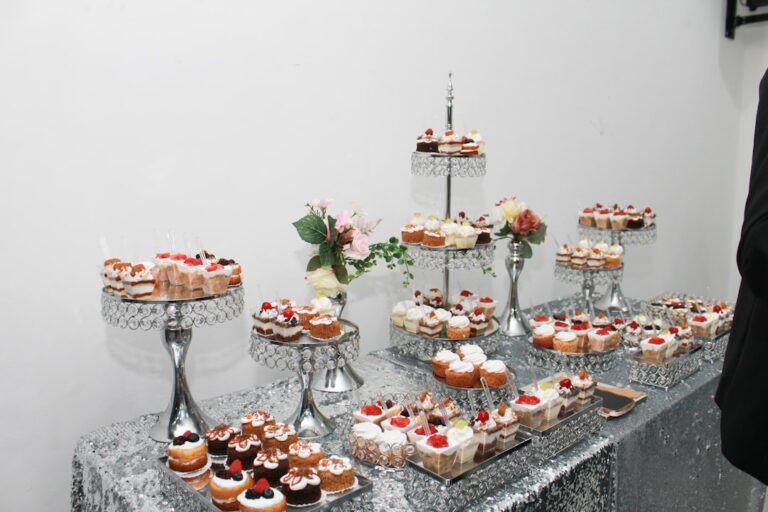
A three-tier wedding cake from a reputable bakery in a major city runs somewhere between eight and twelve dollars per slice, and that’s before delivery, setup, and the cake-cutting fee. For a hundred and twenty guests, that’s between nine hundred and sixty and fourteen hundred and forty dollars, just for the cake itself. My grilled cheese station cost six hundred and fifty dollars total, including the portable griddles, the ingredients, and the person I hired to run it. That person was a line cook named Yusuf who worked at a diner three blocks from my apartment. I’d seen him handle a flat-top during a Saturday brunch rush that resembled a small war. I asked him if he wanted to make extra money on a Saturday night, and he said yes before I finished the sentence.
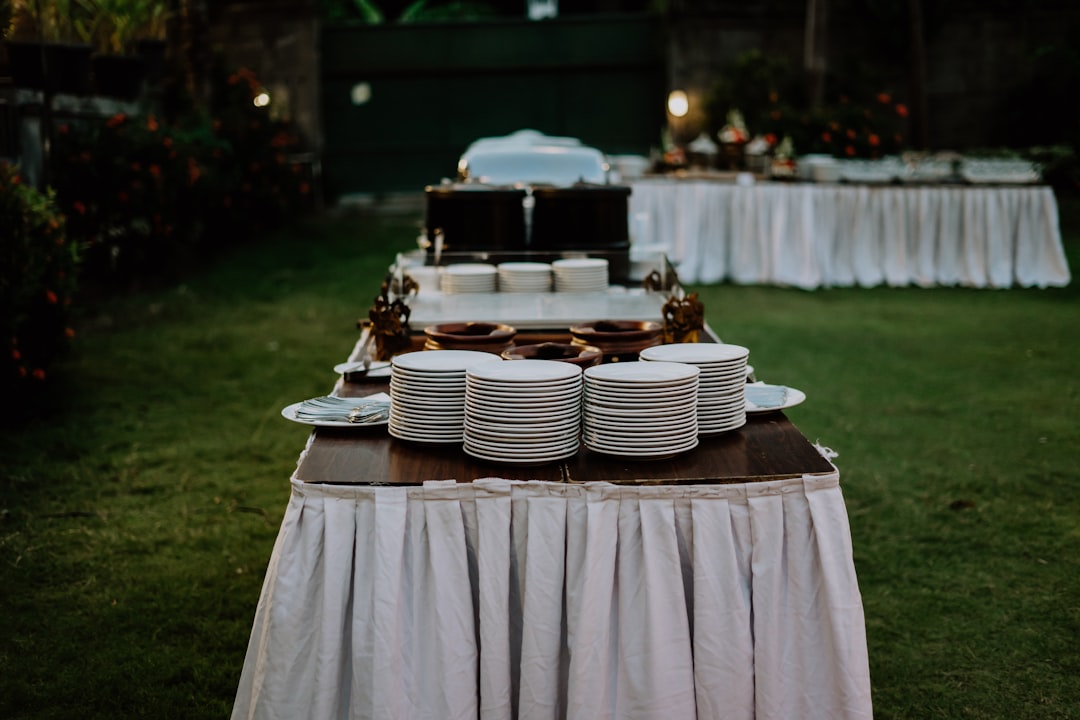
The practical logistics matter more than most people assume. A cake sits on a table for hours. It doesn’t need ventilation, power, or a dedicated surface that can handle heat. A grilled cheese station needs all of those things. I spent two weeks figuring out where to put it. The venue, a converted industrial space in Ridgewood with exposed brick and concrete floors, had a side corridor near the kitchen that nobody was using. It was maybe ten feet long, with a single electrical outlet and a floor that could handle spills. I measured it three times. The griddles Yusuf was bringing each required fifteen inches of space and a dedicated circuit. I brought in a power strip rated for commercial kitchen equipment, and I tested it with the venue’s facilities manager, a guy named Hassan. “You’re not the first person to try something like this,” he said. “But you might be the first to check the amperage.”
A grilled cheese sounds simple until you’re making forty of them in an hour for people who’ve been drinking. The bread has to hold up. The cheese has to melt evenly. I tested seven different combinations over the course of a month. The winner was sourdough from a bakery in Greenpoint, aged cheddar from a dairy in Vermont, and a thin layer of caramelized onions that I made myself in batches and froze. The ingredients for a hundred and twenty sandwiches cost two hundred and ten dollars. I know this because I kept the receipt. It’s still in my notebook, tucked behind a wedding invitation.
The reception started at six. Dinner was served at seven thirty. I moved the grilled cheese station to eleven, which meant Yusuf had to arrive at ten thirty to set up. I paid him three hundred dollars for the night, which covered his time, his transport, and the use of his equipment. He showed up at ten fifteen, set up in twenty minutes, and spent the next ten minutes just watching the dance floor. “I like this,” he said. “People are happy. They’re not thinking about food yet.” At ten forty-five, the DJ started playing slower songs. The energy shifted. A few guests started glancing toward the side corridor, not because they knew what was there, but because they smelled something.
Once the griddle hits it, a grilled cheese produces a smell that travels. It cuts through the air conditioning, through the music, through the general noise of a party. By eleven fifteen, there was a line. Not a formal line, but a loose gathering of people who had drifted away from the dance floor and were standing near the corridor, watching Yusuf work. He could flip a sandwich, slide it onto a paper plate, and have the next one on the griddle in under a minute. I watched a woman in a silk dress take a bite and close her eyes. I watched a man in a rented tuxedo ask for a second one before he’d finished the first. Nobody asked where the cake was.
The cake itself was not absent. I had ordered a small one, a single tier from a different bakery, just for the cutting ceremony. It cost eighty dollars. It was vanilla with buttercream and a simple design of fresh flowers on top. We cut it at nine o’clock. The photographer took the pictures. The venue staff sliced it and put it on plates. Maybe twenty people ate it. The rest went to the kitchen, where the catering staff helped themselves. The cake was a prop for a tradition, not the food we actually wanted.
The unexpected problem was the mess. Yusuf had brought paper towels and a trash bin, but by midnight the floor around his station was sticky with melted cheese and the occasional dropped pickle. I spent the last hour of the night helping guests navigate around it, apologizing to people whose shoes had made contact with a rogue slice of onion. Hassan, the facilities manager, appeared at one point with a mop and a bucket. “I figured this would happen,” he said, or something like that. He cleaned the floor in about seven minutes. I tipped him forty dollars.
What surprised me most was the conversation it started. I spent the last hour of the reception talking to guests who wanted to know how I’d thought of it, whether I’d tested the recipe, whether I’d do it again. A woman named Camila, a friend of a friend, told me she was planning her own wedding and had been fighting with her mother over the cake. “I’m showing her a picture of this,” she said, holding up her phone. She had taken a photo of the griddle mid-flip, cheese stretching between the spatula and the bread.
The cost breakdown: sixty-five dollars for the power strip and extension cord. Two hundred and ten for ingredients. Three hundred for Yusuf. Another sixty for the small cake. Twenty-five for the paper plates and napkins. The total, not counting the tip for Hassan, was six hundred and sixty dollars. A traditional cake for the same number of guests would have been at least nine hundred. The cake became a footnote. The sandwiches became the thing people remembered.
For anyone considering the same move, know your venue, know your cook, and test your bread. The rest is logistics. A cake is tradition. A grilled cheese is a choice. One feeds people when they’re full. The other feeds them when they’re hungry.

📷 Photos: Adi Nasta (Unsplash), Kiril Georgiev (Pexels)