What “Disco Fever” Actually Looks Like on a 2024 Dance Floor — and What It Costs in Practice
What “Disco Fever” Actually Looks Like on a 2024 Dance Floor — and What It Costs in Practice
The invite arrived with a note: “Dress code: Disco Fever. Please take it seriously.”
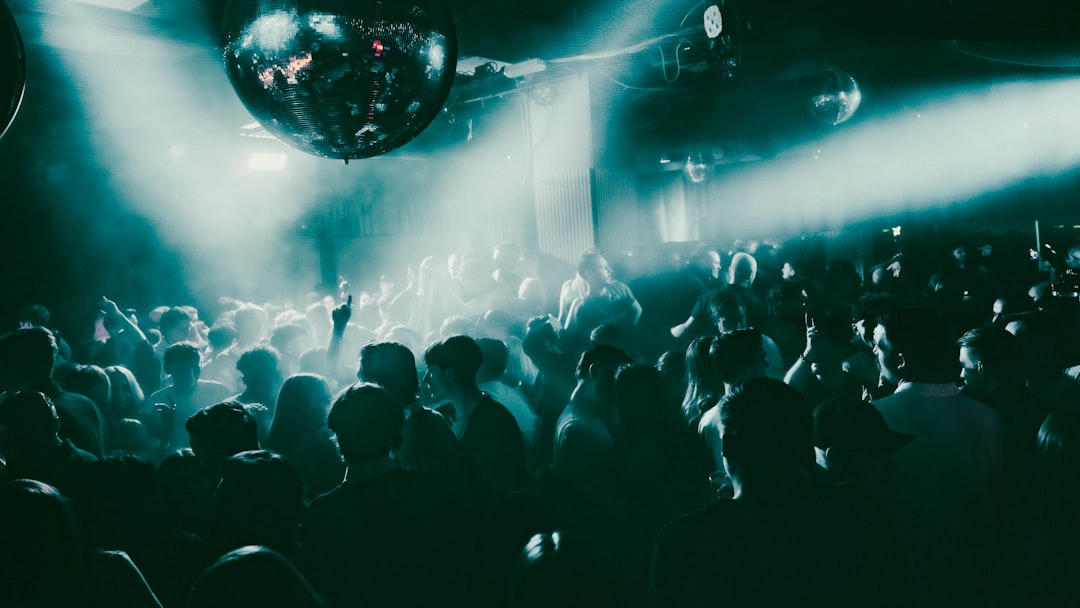
Inside a converted warehouse in Greenpoint, Brooklyn, on a Saturday night in late September, the ceiling was already strung with two hundred feet of mirrored disco ball chain — the kind that catches light from every angle and scatters it across faces and tabletops. A DJ in a wide-lapel jacket stood behind a setup that included a reel-to-reel tape deck that looked like it had been borrowed from a 1970s radio station. It was a prop. It played nothing. But nobody minded because the actual music — a mix of Nile Rodgers-era Chic and a Gloria Gaynor deep cut that most guests had never heard — was coming through a line array system that cost the couple more than the catering for fifty people.
“We didn’t tell anyone it was a prop,” the groom admitted later, standing by the bar during a lull. “But at least five people asked about it. One guy tried to sell us his vintage Technics.”
That moment — a room full of people in sequins and wide collars, a playlist that stuck to actual 1970s club music rather than the wedding-reception standards, and a sound system loud enough to feel in the sternum — is the difference between the 2024 disco trend as it exists in Pinterest mood boards and the disco trend as it actually lands on a real dance floor. The two are not the same thing.
The Mirror Ball Ceiling — and Why It’s Tricky to Pull Off
The centerpiece of the disco look, visually, is light: mirror balls, color washes, and something called a “disco balloon drop,” which is exactly what it sounds like. At the Greenpoint wedding, forty clear balloons filled with loose glitter were suspended from the ceiling on individual monofilament lines. At a signal from the DJ, a volunteer with a ladder cut them free. The effect — a slow, shimmering rain of plastic and mica over seventy guests — lasted about ninety seconds.
Cleanup took ninety minutes and involved a Shop-Vac, a broom, and a woman in a fringed jumpsuit who found glitter inside her ear the next morning.
“We hadn’t thought about the cleanup at all,” said the wedding planner, a woman named Diane who had been in the business for fourteen years and whose usual specialty was rustic barn receptions in the Hudson Valley. “The couple saw a video online and thought, that’s it. Nobody showed them the video of the venue manager sweeping glitter out of the corners at midnight.”
The mirror-ball ceiling itself — two hundred hanging spheres of various sizes, from golf-ball to grapefruit — required three hours of setup and an insurance deposit the couple hadn’t expected. The venue had a weight limit on ceiling rigging that nobody had checked until the week before. The final solution involved a freestanding framework of aluminum truss, rented from an event lighting company in Queens, that cost $1,200 for the weekend and took up a corner of the room that had originally been reserved for the dessert table. The cake ended up on a sideboard in the hallway.
None of this was in the inspiration photos.
“Born to Be Alive” Is Longer Than People Remember
The most common mistake couples make with a disco-themed reception is the playlist. A well-meaning search for “disco songs” returns hits like “Stayin’ Alive” and “Dancing Queen” — both from 1977, both excellent songs, and both played at approximately every wedding in North America since the Reagan administration. The disco trend of 2024 is not the Bee Gees and ABBA. Those are wedding standards now, not a specific vibe.
What actually worked at the Greenpoint reception was a playlist built from the harder edges of the genre: Patrick Hernandez’s “Born to Be Alive” (1979), which is longer than people remember and builds rather than peaks early; “Ring My Bell” by Anita Ward, which a surprising number of guests knew only from the sample in a 2010s dance track; and “I’m Your Boogie Man” by KC and the Sunshine Band, played at the exact tempo that makes a roomful of people move in the same direction.
The groom, who had spent six weeks curating the playlist, said the hardest part was cutting songs that were “wedding disco” rather than “disco disco.” “I had to take out ‘September’ by Earth, Wind & Fire,” he said. “Everyone loves it. But it’s not a disco song. It’s just a song that makes people happy. And we had a limited number of tracks before people’s attention breaks. Every slot mattered.”
The DJ — a working club DJ from Bushwick named Marcus — confirmed this was the single most common negotiation he has with couples. “They send me a list of forty songs and thirty of them are not disco,” he said. “They’re funk. They’re Motown. They’re 1970s pop. Which is fine if that’s what you want. But then call it ’70s night.’ If you’re doing disco, do disco.”
The surprise of the evening was that the best-received track was not a well-known hit but a deep cut: “You Make Me Feel (Mighty Real)” by Sylvester — a 1978 disco-house track that is barely three minutes long and contains no chorus in the conventional sense. It’s a build-and-release structure, and the DJ played it twice in a row. The second time, the floor filled with people who had been standing at the edges during the first round, unsure.
“The second play is crucial,” Marcus said. “Disco is built on repetition. That’s the whole genre. The first time, people listen. The second time, they dance. If you only play a track once, they miss the moment.”
The Lighting Trap — and the Unglamorous Reality of Rosin
A disco floor is nothing without its lighting, and here is where the 2024 trend separates from the 1970s original in a way that matters. Real 1970s discos used a combination of mirror balls, strobe lights, and colored gel filters over floodlights. Modern event lighting packages come with LED washes, laser projectors, and something called “haze fluid” — a glycol-based fog that makes beam paths visible in the air.
At the Greenpoint wedding, the haze machine was the single most complained-about element of the entire night. Not because it didn’t work, but because it worked too well. The haze, combined with the heat of seventy bodies and the residual glitter aerosolized by the balloon drop, created a surface film on the dance floor that was slicker than expected. Two guests slipped — nobody was injured, but one man’s rented wingtip oxfords were ruined by the combination of haze residue and a spilled Manhattan.
“We should have used rosin,” Diane said the next morning, referring to the powdered resin that dancers and gymnasts use for grip. “I’ve done disco-themed events before and it’s the one thing I always bring. I forgot this time. So the floor got slippery. And that’s the kind of detail that doesn’t come up in the planning phase because nobody thinks about the physics of a fog machine.”
Rosin, it turns out, costs about fifteen dollars for a bag that covers a hundred square feet. It takes five minutes to apply and needs to be reapplied every hour. Nobody includes it in the budget. Nobody thinks about it until someone’s heel slides.
A Cream Polyester Blender for $185
The dress code was, by most accounts, taken seriously. Of the seventy guests, about fifty showed up in some version of period-appropriate attire: wide-lapel blazers, flared trousers, platform shoes, jumpsuits. One guest — a woman in her fifties who had actually attended Studio 54 in 1978 — wore an original Halston dress that she said she had been waiting forty-six years for the right occasion to wear again.
“I kept it in a garment bag in my mother’s closet,” she said. “It still fits. I couldn’t tell you whether that’s a good thing or not.”
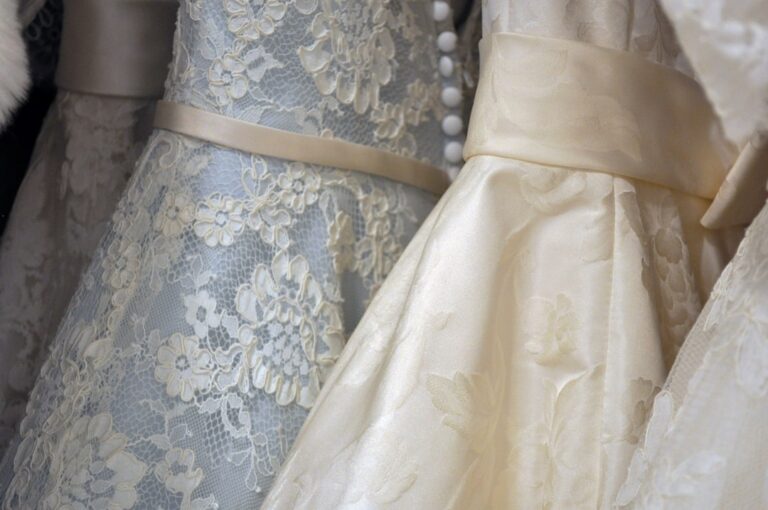
The problem, for guests who didn’t already own a vintage disco wardrobe, was the rental market. Most formalwear rental companies do not stock 1970s-inspired menswear in any systematic way. A search for “disco jacket rental” in the New York area in September yielded results from two specialty vintage rental shops, both in Manhattan, both with limited stock and a booking window of two weeks minimum. The groom’s wide-lapel jacket, a cream polyester blend, came from a store in Williamsburg that charges $185 for a three-day rental — more than a comparable modern suit rental from a national chain.
The bride wore a gold lamé halter dress that she had found at a vintage store in Los Angeles six months earlier for $90. She had not told anyone, including the groom, that she bought it before the engagement was official. “I saw it and I just knew,” she said. “If we hadn’t gotten engaged, I would have worn it to a Halloween party. But I’m glad it worked out.”
The bride’s mother wore a beaded top and black trousers. She had not dressed to the theme. “I thought disco fever was a song,” she said, standing near the bar. “I didn’t realize it was a whole thing.”
The Floor Looked Like a Crop Circle
The morning after, the venue manager — a man named Ray who had been polite but firm throughout the planning process — conducted a walkthrough. The glitter had been vacuumed but not entirely eliminated. A single mirror ball had fallen from the truss structure at some point in the night and rolled under a table. Nobody had noticed. The truss rental company, contacted by phone, said they would need an additional $200 to come retrieve the aluminum framework rather than having the couple dismantle it themselves. The couple paid the $200. It took the rental company’s crew twenty minutes to disassemble and load the truss.
The bride, surveying the empty room at 11 a.m., pointed to a spot on the parquet floor where the haze fluid had left a faint residue pattern in the shape of a dance circle. “That’s not in the photos,” she said. “But that’s the part I’ll remember. The floor looks like a crop circle.”
Diane, the planner, was already on the phone with the cleaning company. The final bill for post-event cleaning — including the glitter vacuum, the haze residue, and a red wine stain near the bar that had not come out with the venue’s standard cleaner — was $480, plus a $200 deposit forfeiture from the truss company, plus the $1,200 truss rental itself. The mirror balls, which the couple had bought in bulk from an online wholesaler for $340, were donated to the venue for future events. Ray accepted them without enthusiasm.
The total incremental cost of the disco theme — beyond a normal wedding reception with DJ, lighting, and decor — came to roughly $2,400, not counting the clothing. The couple had not budgeted for the truss deposit. They had not budgeted for the cleaning surcharge. They had not budgeted for the rosin that Diane forgot. But they also had not expected the moment, around 11 p.m., when the DJ played Sylvester for the second time and the whole room — the woman in the Halston, the groom in the rented polyester, the bride’s mother who had not dressed to theme — was on the floor, moving in the same direction, arms up, glitter in everyone’s hair.
📷 Photos: Malcolm Broström (Unsplash), Malcolm Broström (Unsplash)