How to Secure a Permit for a Cliffside Elopement on Kauai’s Na Pali Coast
The permit is not a suggestion. It is the law, enforced by the State of Hawaii’s Department of Land and Natural Resources, and skipping it carries consequences that go far beyond a fine. One couple who planned a sunrise ceremony on a remote stretch of the Kalalau Trail learned this the hard way: their photographer’s drone, launched without authorization, was spotted by a hiker who reported it. The resulting citation cost them $1,500, but the real price was the ceremony itself, which had to be rescheduled six months later after the state’s permitting office flagged their entire booking.
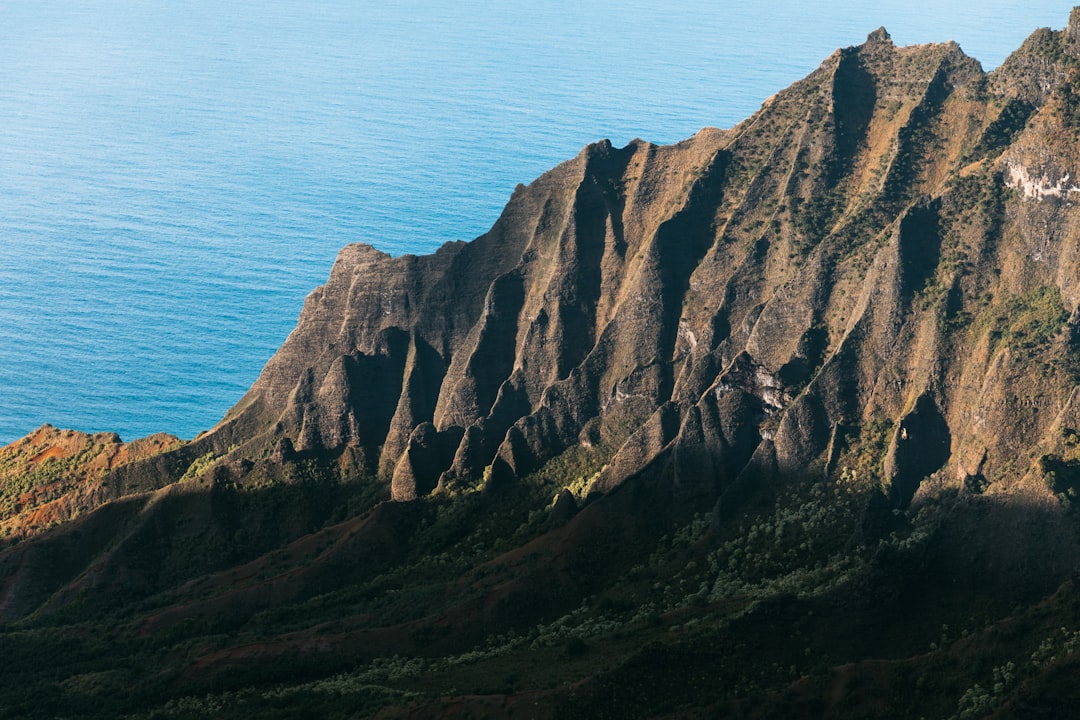
That story circulates quietly among the wedding coordinators and photographers who operate on Kauai’s northwest coast. The Na Pali coastline—eleven miles of jagged cliffs, hidden valleys, and narrow ridgelines accessible only on foot or by water—is one of the most physically demanding elopement locations in Hawaii. It is also one of the most regulated. Understanding exactly what the state requires is the difference between a ceremony that feels like a private miracle and one that becomes a bureaucratic ordeal.
- Determine the exact location within the Na Pali Coast State Park. The park covers 6,175 acres, and the permit requirements shift depending on where the ceremony is proposed. A cliffside ceremony at the Kalalau Valley overlook, at mile marker 11 on the trail, falls under the state park’s commercial activity permit, which costs $200 for a single day. A ceremony at the beach at Ke’e Beach, the trailhead at the end of the road, is governed by different rules entirely—it requires a separate county beach permit, which runs $50 and must be submitted to the Office of the County Clerk in Lihue. The most common mistake is assuming one permit covers the entire coastline.
- Apply for the commercial use permit a minimum of 30 days in advance. The state park office processes these applications on a rolling basis, but the 30-day window is a hard floor, not a recommendation. Applications received fewer than 30 days before the event are automatically rejected, no exceptions. The paperwork requires a signed indemnification agreement, a certificate of insurance naming the State of Hawaii as an additional insured with a minimum of $1 million in general liability coverage, and a detailed itinerary including the exact time the ceremony will begin and end. One coordinator estimates that the average couple spends three to four weeks gathering the insurance documentation alone.
- Secure a camping permit if the ceremony requires an overnight stay. The Na Pali Coast State Park has a strict limit of 60 campers per night at Kalalau Valley, and these permits are issued through a lottery system that opens 90 days in advance and closes 30 days before the requested date. The lottery is drawn monthly, and the success rate for weekend dates during peak season—May through September—hovers somewhere around twenty percent, maybe a bit less. For couples who intend to hike in the day before the ceremony and camp overnight, this lottery is the single most likely point of failure. The alternative is to day-hike the entire 11 miles in one morning, which is physically demanding and leaves little margin for error on timing.
- Hire a photographer or videographer who holds their own commercial permit. The state requires that any person taking photographs or video for a fee on state park land must hold their own commercial use permit, separate from the ceremony permit. This permit costs $50 per day and requires the same insurance documentation. A surprising number of photographers who advertise on Kauai do not hold this permit, and couples who hire them assume the photographer’s permit is part of the wedding package. It is not. One local coordinator recalls a ceremony that had to be relocated to a beach outside the park at the last minute because the photographer showed up without the required paperwork.
- Confirm the drone policy before the ceremony. Drones are prohibited from launching, landing, or operating within the Na Pali Coast State Park. This includes the airspace above the cliffs. The rule applies regardless of whether the drone is flown by the couple, a guest, or a hired professional. The fine for a first offense is $1,000, and repeat offenses can result in confiscation of the equipment. For couples who envision sweeping aerial shots of the ceremony against the cliff face, the only legal alternative is to hire a helicopter charter that operates outside the park’s airspace, which costs approximately $800 per hour for a shared flight.
- Plan the hike with realistic time estimates. The Kalalau Trail is 11 miles one way, with an elevation gain of approximately 2,000 feet. The state park estimates the hike at 4 to 6 hours each way for an experienced hiker carrying a day pack. For a couple carrying ceremony attire, a small backpack with essential items, and possibly camping gear, the time estimate stretches to 7 to 9 hours. The trail is unpaved, narrow in sections, and exposed to full sun for most of the route. There is no water available after the first two miles. Couples who arrive at the trailhead later than 10 a.m. risk having to complete the final miles in the dark. It is not recommended, and the risk of injury increases.
- Account for the weather window. The Na Pali Coast receives an average of 70 inches of rain annually, concentrated primarily between November and March. Summer months offer the most reliable weather, with afternoon cloud cover and occasional showers. One couple who scheduled an elopement in February waited through three days of continuous rain before the ceremony could take place on the fourth morning. The state park does not offer refunds for weather-related cancellations, and the permit fee is nonrefundable regardless of conditions.
- Bring a backup plan for the ceremony location. The Kalalau Valley overlook is the most popular spot for cliffside ceremonies, but it is also the most exposed to wind, rain, and direct sun. Several couples have had to move their ceremony to a sheltered alcove a quarter-mile back along the trail when the wind at the overlook gusted strong enough to make standing difficult. The backup location should be scouted in advance, either by the couple or by the coordinator, and included in the itinerary submitted with the permit application. Changing the location after arriving requires notifying the state park office, which can be reached by satellite phone from the valley floor.
- Budget for the full cost of the permit stack. The commercial use permit for the ceremony costs $200. The day-use permit for each guest and the couple costs $5 per person. The camping permit, if needed, costs $20 per person per night. The photographer’s commercial use permit adds $50. The insurance certificate, if the couple does not already carry a policy, can cost between $150 and $300 through a third-party provider. A typical two-person elopement with a photographer, no overnight stay, and no drone comes to approximately $410 in permit fees alone, before insurance. A ceremony with two guests, a photographer, and one night of camping pushes the total to roughly $600.
- Arrive at the trailhead the evening before and camp nearby. The nearest campground with vehicle access is Haena Beach Park, located a quarter-mile from the Kalalau trailhead. It costs $10 per person per night and requires a separate county reservation. Couples who camp here can start the hike at 5 a.m., reaching the Kalalau Valley overlook by late morning in time for a midday ceremony with the best light. This timing avoids the heat of the afternoon and the crowds of day-hikers who begin arriving around 8 a.m. Returning to the trailhead after the ceremony, the couple will likely finish the hike by late afternoon or early evening, depending on their pace.
The permits themselves are straightforward paperwork. The hike is the real test. A couple who trained for the distance once described the final switchback before the overlook: their legs shaking, the sound of surf rising from below, then the valley opening all at once—green walls dropping into a silver river mouth, the ocean a deep blue against black lava rock. They stood there for a long time before anyone thought to check the time. The best souvenir, more often than not, isn’t the permit tucked into a folder—it’s standing at the edge of a cliff with the Pacific stretching to the horizon.

📷 Photos: Sheng L (Unsplash), Caleb Fisher (Unsplash)