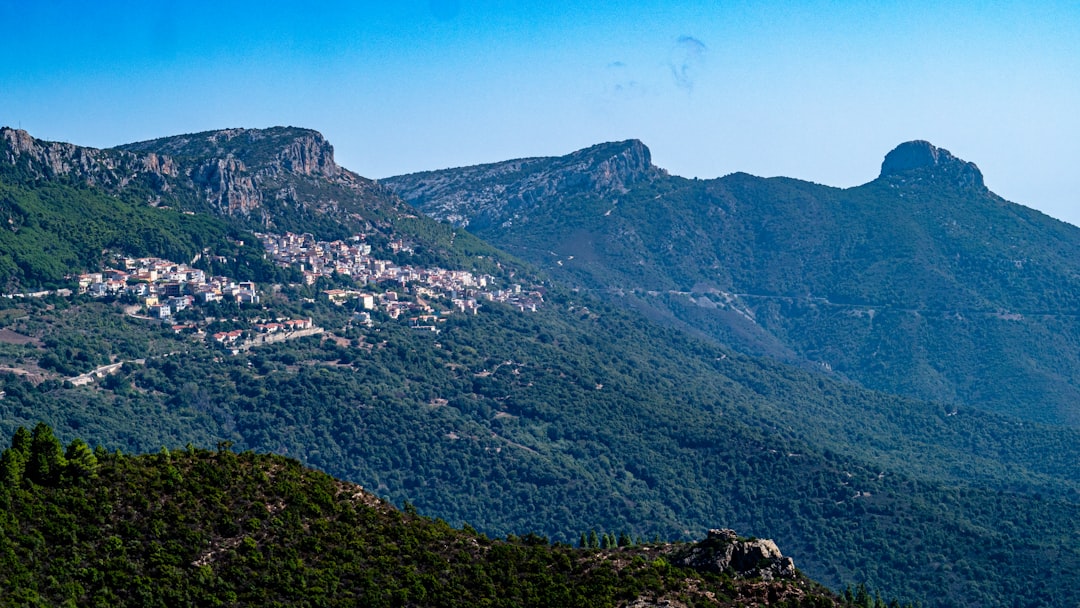
Book October for Sardinia’s Costa Smeralda Without the July Crowds — Here’s How
Book October for Sardinia’s Costa Smeralda Without the July Crowds — Here’s How
July in the Costa Smeralda is a specific kind of ordeal. The temperature on the asphalt of the SS125, the coastal road that threads through the north, can hit the high thirties by 10 a.m. The beaches — Spiaggia del Principe, Capriccioli, Liscia Ruja — fill before breakfast. Parking verges become improvised lots. A bottle of water from a beachside kiosk costs what a meal does elsewhere. The water is warm, yes, but also crowded enough that finding a patch of sand to lay a towel on requires negotiation.
October changes all of this. Not gradually, but noticeably, in a way that makes a traveler who has only seen the summer version wonder if they’ve come to the same place. The crowds thin out to a fraction. The heat drops to something bearable — still warm enough for swimming, but without the fatigue that comes with July’s intensity. The sea is at its warmest, having been heated all summer, and the light sits lower, softer, casting longer shadows across the granite rocks that give the coastline its character.
There are trade-offs. Some things close. The weather isn’t guaranteed. But for anyone who values having the place to themselves even slightly more than they value peak-season certainty, October is the better month — and by a wide margin.
Capriccioli at Midday, Early October
The most obvious shift is on the road. The SS125 through the Costa Smeralda, which in summer can feel like a slow-moving parking lot between Porto Cervo and Arzachena, opens up. A drive that might take 45 minutes in July takes 20 in October. Parking lots at the beaches that in August have attendants directing traffic are nearly empty. At Capriccioli, one of the most photographed beaches on the coast, a midday visit in early April might mean sharing the sand with maybe two dozen people spread across three coves. In July, the same beach holds several hundred.
The water temperature is worth mentioning separately because it’s counterintuitive. October sea temperatures in the northeastern Sardinian coast typically sit warm enough for comfortable swimming, often warmer than they are in June. The shallower coves hold heat longer. At Cala di Volpe, where the water barely reaches chest height for a hundred meters out, swimming in late October is more comfortable than it would be in early June, when the sea hasn’t had three months of sun to warm through.
The wind shifts too. The Mistral, the strong northwesterly that can make the northern coast unpleasant in spring and early summer, tends to ease by October. The days are calmer, the sea flatter, and the water clearer for it.
Swimming in Shallow Coves
Swimming in October requires checking a forecast more carefully than it does in July, but it’s entirely viable. The key is to pick the right day. A calm, sunny spell in mid-October can deliver conditions that rival any summer day, minus the crowds. The shallower coves — Capriccioli, Liscia Ruja, the small beach at Rena Bianca — warm up faster and hold their heat better than the deeper, more exposed beaches. A still afternoon with no wind is the ideal. If the Mistral picks up, the sea can roughen and the temperature can drop noticeably, but that’s a reason to check conditions rather than a reason to rule out October entirely.
The mistake most first-time October visitors make is to assume the sea is too cold and not even check. A couple who visited in mid-October and stayed at a hotel near Baia Sardinia spent three days assuming the water was too cold for swimming because they’d only looked at it from the beach in the morning. On the fourth day, they walked into the water at noon and found it warmer than anticipated — warm enough to stay in for nearly an hour. The lesson is to actually test it rather than assume. The shallow coves warm up significantly by midday after a few hours of sun, even if the morning air feels cool.
The Agriturismo Dinner That Replaces the Beach Club
This is where the practical planning matters most. The Costa Smeralda’s high season runs from about mid-June through the first week of September. By October, the rhythm has changed. The big summer beach clubs — Phi Beach, Billionaire, the VIP-laden spots that define the area’s reputation for glamour — close by late September or early October. The Porto Cervo Marina, bustling with superyachts in July, has far fewer boats. The designer boutiques along the promenade thin out their hours or close for the season entirely.
But the things that actually matter for a good trip — restaurants, grocery stores, bakeries, gas stations — mostly stay open through October, at least in the main towns. In Porto Cervo itself, many restaurants remain open through the end of the month, especially those that cater to a local or year-round clientele. The same is true for Arzachena, the inland town that serves as the commercial hub of the area, where most shops and restaurants operate year-round. The smaller beachside cafe at Liscia Ruja closes after September. The one at Capriccioli follows a similar pattern. But the agriturismi — the farm-to-table restaurants scattered through the inland hills — often stay open into October and offer some of the best food on the island at half the price of the coastal spots.
The rule is simple: anything beach-dependent closes by October. Anything inland, or in the main towns, keeps going. The key is to base meals and activities around what’s actually open rather than assuming the summer schedule still applies.
The Boat Tour That Got Canceled
October in Sardinia is not a guarantee. It can deliver a week of flawless, 25°C days with calm seas and clear skies. It can also deliver two days of rain and wind followed by a return to sun. The difference between early October and late October is significant. Early October is closer to September — often still warm, still settled. Late October can bring more rain and cooler nights, though daytime highs still typically reach 20-22°C even in unsettled weather.
The practical approach is to treat weather as a variable to work around rather than a dealbreaker. A trip with flexible plans — a few good-weather days for beaches and boat trips, and a few alternatives for rain — will work far better than one that bets everything on perfect conditions. The inland towns of the Gallura region — San Pantaleo, Tempio Pausania, Aggius — are worth visiting even in good weather, but they become genuinely excellent choices on a rainy day. The granite architecture, the narrow streets, the pasticcerie selling seadas and amaretti — these are experiences that don’t depend on sunshine.
A specific mistake one traveler made in late October was booking a boat excursion as the centerpiece of the trip — a full-day tour of the Maddalena Archipelago — without a backup plan. The day before the excursion, the forecast shifted to strong winds and rain. The boat was canceled. The traveler spent the day in the hotel room, disappointed, having not researched what else was available. A better approach would have been to book the boat early in the trip, with enough buffer days to reschedule if the weather turned, or to have a solid list of inland activities ready. The Maddalena Archipelago is worth seeing by boat, but only in conditions that make the experience enjoyable rather than uncomfortable.
Cala dei Francesi at Midday
Not all Costa Smeralda beaches behave the same way in October. Exposure matters. A beach facing north or northwest will catch whatever wind is blowing, and in October the wind is more variable than in summer. A beach facing south or southeast will be more sheltered and calmer, even on a breezy day.
Capriccioli, with its multiple coves, offers options within a single beach. The main cove faces east-southeast and is generally calm. The smaller coves on the north side can catch the wind. Liscia Ruja, a long crescent of sand facing south, works well in a southerly wind but can be exposed to the Mistral. Cala di Volpe, facing east, is one of the most sheltered options on the coast and often has the calmest water in October.
The smaller, less famous beaches — Cala dei Francesi, Cala Petra, the cove near the hotel at Romazzino — tend to hold their heat and calm longer than the big-name spots, simply because fewer people visit them and the water stays undisturbed. A midday swim at one of these smaller coves in mid-October can feel like having a private pool.
Hotel Cala di Volpe in October — €250 Instead of €800
Accommodation prices drop significantly in October. A hotel room that costs €800 per night in August might be €250 by early October and €150 by the end of the month. The drop is steepest in the luxury segment — the Hotel Cala di Volpe, the Cervo Hotel, the Pitrizza — where summer rates can be astronomical and October rates fall to something approaching normal. Mid-range hotels and affittacamere (room rentals) see a smaller percentage drop but still a meaningful one.
Car rental prices follow a similar pattern. A compact car that costs €120 per day in August might be €45 per day in October. The caveat is availability: while summer demand is enormous and prices are high, October’s lower demand means more inventory and better negotiating power. Booking direct with local rental agencies rather than through international aggregators can save another 10-15 percent.
Restaurant prices don’t change much — a seafood dinner at a good restaurant in Porto Cervo costs roughly the same in October as it does in July — but the experience changes. In July, getting a table at the better restaurants requires booking weeks in advance. In October, same-day reservations are usually possible. The service is more relaxed, the kitchen less rushed, and the overall atmosphere more pleasant.
What doesn’t change is the cost of getting there. Flights to Olbia, the nearest airport to the Costa Smeralda, are seasonal in their own way — October is shoulder season, so prices are between summer highs and winter lows. A round-trip flight from a major European hub in early October might cost €150-250, roughly the same as late September but less than half of August’s price. The trick is to book early. October isn’t high season, but the flights that run are fewer, especially after the last week of October, when many carriers reduce to winter schedules. Missing that window means either paying a premium for the remaining seats or flying into Alghero and driving across the island.
Dinner in San Pantaleo, Sunset Behind the Granite Peaks
The honest reason to choose October over July isn’t any single metric. It’s the cumulative effect of having space. The beach isn’t shoulder-to-shoulder. The restaurant doesn’t feel like a production line. The road isn’t a constant negotiation of traffic and parking. The combination of these things — none of them dramatic individually, but noticeable together — makes the Costa Smeralda feel like a real place rather than a stage set for tourism.
The light is worth mentioning too, because it’s one of the things that can’t be captured in a photo and doesn’t translate well into description. In July, the sun is high and harsh by mid-morning. In October, it stays lower, throwing longer shadows and warming the granite and the maquis with a gentler, more golden quality. The color of the sea — that particular turquoise the Costa Smeralda is named for — is actually clearer in October because there’s less haze and less sediment stirred up by swimmers and boats.
A visitor who spent a week in Porto Cervo in mid-October described a moment on the terrace at a small restaurant in San Pantaleo: the sun was setting behind the granite peaks, the air was cool enough for a light jacket, and the only sound was the wind moving through the cork oaks and the distant clatter of plates from the kitchen. She said it was the best meal she’d had in Italy, not because the food was exceptional — though it was good — but because she could hear herself think.
Choosing the Right Week — and the Right Backup
For anyone considering an October trip, the single most important piece of planning is choosing which week. The first two weeks of October are reliably better than the last two. By the third week, the chance of rain goes up, the number of open restaurants goes down, and some of the smaller boat tours stop running entirely. The first week of October offers the best balance: still warm enough for swimming, most things still open, the crowds fully gone.
If the trip has to be late October, focus on the inland. The beaches are still worth visiting on good days, but the experience will be less reliable. Base the trip around the agriturismi, the hill towns, the hiking trails through the Gallura hills. The coastline will still be there for a midday visit on the right day, but the inland offers what October does best: quiet, good food, and a version of Sardinia that feels more real than the summer version.
The warning applies both ways — early October is a sweet spot, but a narrow one. Missing it by a week in either direction changes the character of the trip. Checking historical weather data for the specific dates and comparing with the opening schedules of a few key places on the Costa Smeralda — the beach club at Liscia Ruja, the boat tour operator in Palau, the restaurant in Porto Cervo — is worth doing before booking anything.
A Rash Guard and a Light Jacket
The packing list for October is different from July’s. A wetsuit is overkill — the water is warm enough without one — but a rash guard or lightweight neoprene top can add a few degrees of comfort for longer swims. A light jacket or fleece for evenings is essential; the temperature drops after sunset, especially in the inland towns. A windproof layer is useful even on sunny days, because the Mistral, when it does blow, can make a beach day uncomfortable without one.
Sunscreen is still necessary. The UV index in October is lower than in July, but the reflection off the water and the white sand is still strong enough to burn on a clear day. Sunburn in October is easy to underestimate — the air feels cooler, so the skin doesn’t give the same warning signals.
What not to bring: anything you’d pack for a summer beach holiday that you wouldn’t wear anywhere else. The Costa Smeralda in October isn’t a beach holiday that happens to be in fall. It’s a fall trip that happens to include some beach time. Dressing for the season rather than the fantasy of summer makes the experience better.
The packing list matters less than people think. Curiosity is the one thing that can’t be bought at a souvenir shop.
📷 Photos: Christopher Politano (Unsplash)