How to choose and wear an opera cape instead of a veil on your wedding day
How to choose and wear an opera cape instead of a veil on your wedding day
For the better part of a decade, the bridal veil has followed a remarkably stable script: fingertip length, raw edge, attached to a simple comb. Occasionally a cathedral-length option appeared for dramatic effect, but the underlying logic rarely shifted. The veil was a whisper, not a statement — something that arrived second in the wedding-day hierarchy, after the dress.
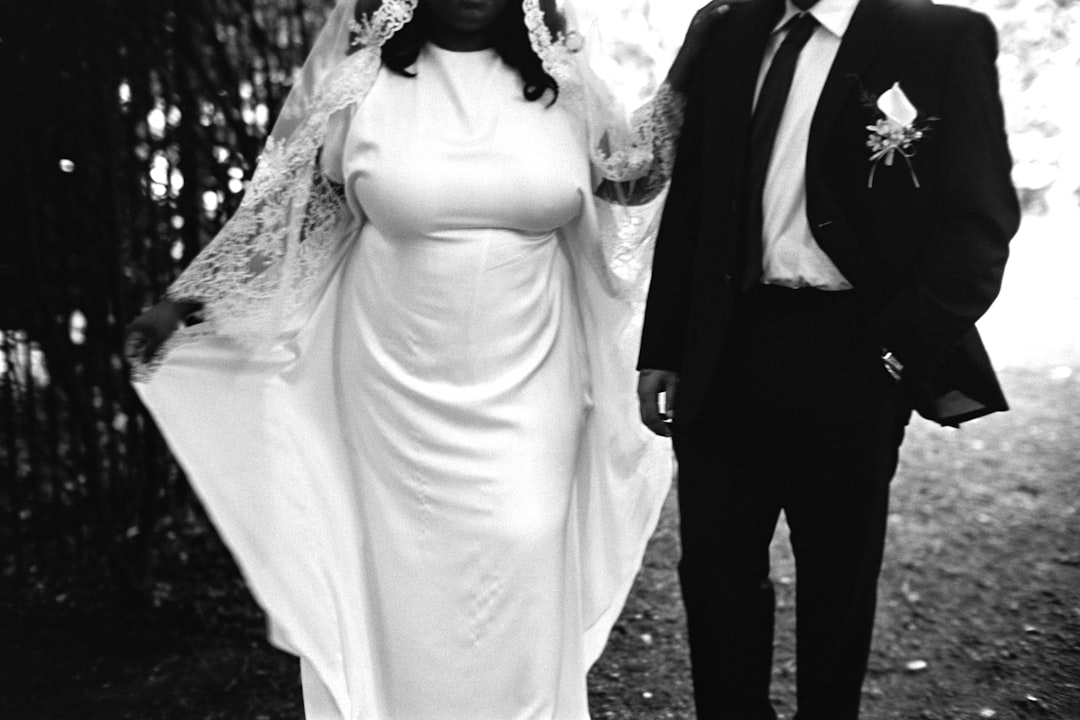
Opera capes are changing that calculation. The garment — floor-sweeping, often lined in silk or velvet, sometimes trimmed with feathers — arrived on bridal runways in a noticeable way around late 2022, but it took another season for real brides to begin requesting them in significant numbers. What started as a fashion-week gesture has become an actual alternative, not a novelty. And unlike many bridal trends that feel borrowed from red-carpet logic, this one has practical reasoning behind it.
A cape and a cloak are not the same thing
The first distinction worth understanding is the difference between a cape and a cloak, since sellers and bridal consultants use the terms loosely. A true opera cape hangs open at the front, often with a dramatic collar or fastening at the neck only. A cloak wraps entirely around the body, usually closing at the front or with a clasp. For wedding purposes, the open-front cape is easier to wear over a structured gown without crushing the bodice or sleeves, and it creates a cleaner silhouette when photographs need to show the dress underneath.
Fabric weight matters more than most brides expect. A cape in heavy velvet might look magnificent in a December ceremony photographed under candlelight, but it becomes a burden by the second hour — especially if the venue runs warm or the dancing begins. Silk charmeuse or a mid-weight crepe drapes better across the shoulders and moves with the body rather than resisting it. Several bridal alterations specialists have noted an uptick in requests for detachable capes lined in a contrast fabric — satin on one side, a lighter lining on the other — which allows the bride to wear the lining side outward during the reception without fully removing the garment.
Length is another variable that gets less attention than it deserves. A cape that hits exactly at the hem of the dress creates a clean, deliberate line. One that falls a few inches shorter can look accidentally cropped, as if the garment were made for a taller person. The safest practical approach is to have the cape hemmed with the same shoes the bride intends to wear — a detail that sounds obvious but is frequently overlooked during rushed fittings. One alteration specialist in Manhattan recounted a bride who had her cape hemmed while wearing flat rehearsal shoes, only to switch to three-inch heels on the day, revealing a two-inch gap between cape hem and dress hem that read as a mistake in every full-length photo.
Three snaps and a forty-minute fitting
The attachment method determines whether the cape stays in place through the ceremony and the first hour of photographs, or whether it becomes something the bride is constantly adjusting. Most ready-to-wear opera capes come with a single hook-and-eye closure at the collar, which is rarely sufficient. A cape that hangs from the neck alone will drift forward or pull backward depending on how the bride moves, especially if the fabric has any weight.
The better approach involves hidden anchor points. A small button loop sewn into the shoulder seam of the dress, paired with a corresponding loop inside the cape, allows the garment to be tacked in place at two or three points without visible stitching. Some bridal seamstresses have begun using clear elastic loops that slip around the upper arm, invisible under the cape, to keep the fabric from sliding. The key is to test the attachment system during a full dress rehearsal — walking, sitting, raising arms to adjust hair or accept a bouquet — before the day itself.
One bride who wore an ivory silk cape over a beaded sheath described the process as “a solid forty minutes of pinning and repinning” during her final fitting. She ultimately opted for three small snaps sewn into the interior of the cape, which attached to corresponding snaps on the dress straps. The snaps were completely hidden by the cape’s drape, and the setup stayed secure through twelve hours of wear, including a three-course seated dinner and a late-night dance set.
The veil-for-cape swap at cocktail hour
The most practical brides are not choosing one over the other. They are choosing both — just not simultaneously. A growing number of wedding stylists recommend a two-part approach: wear the veil for the ceremony, then remove it and replace it with a cape for the reception. This strategy acknowledges that each garment serves a different purpose. The veil creates a moment of ritual — the lifting, the reveal, the traditional symbolism — while the cape offers coverage and drama that works better in low light and on a dance floor.
The logistics are simpler than they sound. The veil is typically removed before the reception anyway, often immediately after the ceremony or during the portrait session. That same moment is the natural transition point for a cape. Some brides have their cape waiting in the getting-ready room and simply hand off the veil to a bridesmaid or coordinator, then step into the cape before entering the reception space. Others have the cape draped over a chair at the head table, ready to be put on after the first dance.
Timing of the swap matters for photographs. If the bride wants photos in both the veil and the cape, the portrait session needs to accommodate both looks. A practical schedule looks like: ceremony with veil, immediate family and wedding party photos with veil, couple’s portraits with veil, then a quick change into the cape for the remaining couple’s portraits and reception entrance. This avoids the awkward situation of choosing between two looks and allows the photographer to capture both without rushing.
An Etsy seller in Ukraine and a vintage find in Brooklyn
The bridal market has responded to the cape trend unevenly. Major bridal chains now stock a handful of options, but they tend toward the same silhouette: a sheer illusion cape with scattered appliqués, designed to mimic the look of a veil while technically being a cape. These are fine for brides who want the cape shape without abandoning the airy aesthetic of tulle, but they miss the point of the opera cape entirely. The real appeal of the garment is its material substance — the way velvet or silk falls differently than netting, the way it changes the sound and feel of movement.
Independent bridal boutiques in major cities have been the most reliable source for well-made capes, though inventory varies dramatically by season. A few small designers have begun offering made-to-order capes separately from their dress lines, which means the bride can match the fabric to her existing dress rather than buying a predetermined combination. Prices for these pieces typically start around eight hundred dollars and climb to two thousand or more for silk velvet with hand-stitched lining.
Etsy has become an unexpectedly strong market for opera capes, though the quality range is wide. A bride who ordered a cape from a seller in Ukraine paid roughly four hundred dollars for a custom piece in heavy duchesse satin, dyed to match her dress swatch. She noted that the turnaround time — seven weeks — required careful planning, and that the seller communicated primarily through translated messages, which introduced occasional confusion about measurements. The final product, she said, was “exactly what I wanted, but I wouldn’t recommend it for anyone with less than three months before the wedding.”
Vintage and secondhand options exist but require patience. Opera capes were a staple of evening wear through the 1950s, and many vintage pieces can be found in good condition, often in unexpected colors — deep burgundy, forest green, navy — that work against white or ivory dresses with surprising elegance. The catch is sizing: vintage capes were typically made for smaller frames and shorter heights, and alterations to the neckline or length can be expensive. A vintage cape found at a Brooklyn charity shop cost the buyer forty dollars but required two hundred dollars in alterations to fit properly over a modern A-line dress.
Velvet in January, silk organza in July
The season is the single biggest factor in fabric choice, though most brides have not considered how venue temperature interacts with fabric weight. A velvet cape that looks perfect in January photographs becomes unwearable in a heated ballroom by the second hour. A silk cape in June is comfortable outdoors but feels flimsy if the ceremony space is air-conditioned to a chill.
Late autumn and winter weddings favor velvet, wool crepe, or a heavyweight silk satin. Lining matters enormously here: a cape lined in cupro or viscose breathes better than one lined in polyester, and the difference is noticeable after twenty minutes of wear. Spring and fall weddings are the sweet spot for mid-weight silk charmeuse or a silk-wool blend that offers drape without excessive warmth. Summer weddings call for silk organza or a very lightweight crepe — fabrics that read as substantial in person but do not trap heat.
One detail that many coverage misses: the thermal consideration extends to the bride’s arms. A bride wearing a sleeveless or strapless gown in a cold-weather venue will feel the difference between a cape that covers the arms fully and one that hangs from the shoulders leaving the arms exposed. Some capes are designed with an integrated sleeve or an extended side panel that wraps partially around the arm, which adds warmth without the constraints of a full sleeve. This design choice is worth asking about specifically when shopping.
Folding yourself into a chair like a sleeping bag
A cape is heavier than a veil, and that weight changes how the bride walks, turns, and sits. The difference is not subtle. A veil moves with air currents and the bride’s natural motion; a cape moves with the body itself, and it creates a different visual rhythm. Photographers who have worked with both report that capes photograph better in motion — walking, spinning, dancing — because the fabric holds its shape rather than floating unpredictably. The trade-off is that a cape requires more deliberate movement. A bride who rushes or takes short, choppy steps can end up fighting the fabric rather than wearing it.
Seating is another practical concern. A veil can simply be lifted and draped over the back of a chair. A cape, especially one with a heavy collar or full-length hem, needs to be gathered and laid across the lap or removed entirely before sitting down. Brides who plan to wear the cape through dinner should test the sitting motion during their fitting. One bride who wore a silk velvet cape to her reception reported that she had to “basically fold myself into the chair like I was getting into a sleeping bag” during the seated portion of the evening. She solved the problem by asking the best man to pull the cape aside before she sat down, which became a small choreographed moment that guests found charming rather than awkward.
A fabric swatch in your pocket
The visual relationship between the cape and the surrounding environment is worth planning in advance. A dramatic cape in a minimalist venue with clean lines and neutral tones creates a different effect than the same cape in a lavishly decorated ballroom or a rustic barn. Photographers note that capes tend to photograph best against simple backdrops — a plain wall, an open field, a staircase with no competing patterns — because the garment itself carries enough visual weight to fill the frame.
Bridal party coordination is simpler than with veils because capes are less likely to be duplicated by bridesmaids or mothers of the couple. A bride wearing a cape separates herself visually from the rest of the party without needing an elaborate dress silhouette to do so. The one coordination risk is color: a white or ivory cape against a white or ivory dress reads as tonal and intentional, but a cream cape against a bright white dress can look mismatched in certain light. Bringing a fabric swatch of the dress when shopping for the cape eliminates this problem entirely.
Whether the cape becomes a permanent part of bridal fashion or remains a seasonal alternative is unclear. What is clear is that the garment solves a real problem — how to add drama and coverage to a wedding look without duplicating the function of a veil — and that brides who choose it are doing so from a place of considered preference, not trend-chasing. The option exists, and the logistics of making it work are straightforward enough that any bride who wants to try it can, with a little advance planning and a good seamstress.
📷 Photos: Brooke Balentine (Unsplash), Maria Lysenko (Unsplash)