The Photographer Who Showed Up Late
The Photographer Who Showed Up Late
It was a Tuesday in late October, and I was sitting in a café near the Garment District in Los Angeles — the one with the cracked linoleum floor and the man who only makes espresso if you ask him twice. I’d been emailing with a photographer for three weeks, someone whose Instagram feed looked like the kind of wedding I thought I wanted: soft light, linen suits, a couple laughing against a whitewashed wall in Tulum.
She arrived 22 minutes late. No text. No apology until she’d already sat down and ordered a flat white. “Traffic from Silver Lake,” she said, like it explained everything.
I should have left then. I didn’t.
The 20 Minutes She Didn’t Ask a Thing
She pulled out an iPad and started showing me albums. The first was a vineyard wedding in Temecula where the bride had worn a red dress — not burgundy, not rust, but a red that sat somewhere between a fire truck and a poppy. “I love the way the light hits her here,” she said, tapping the screen. And it was nice. It was.
But she didn’t ask me a single question for the first 20 minutes. Not about the venue I’d booked (a converted textile mill in Frogtown), not about the time of year (April, which in LA means the jacarandas are starting but the Santa Ana winds haven’t fully quit), not about whether I wanted candid or directed shots.
When a photographer spends the first half of your meeting showing you their portfolio, they’re auditioning you, not the other way around. The ones who know what they’re doing start by asking what you’re afraid of. The ones who don’t start by asking what you’re willing to pay.
My second mistake was not asking about the backup plan. She had one camera body. One. I didn’t ask until the third email exchange, after I’d already sent the deposit. “What if your camera breaks?” I wrote. “I have insurance,” she replied. That wasn’t the answer I wanted.
What You Actually Need to See
A full wedding gallery — not the highlights, not the Instagram reel, not a PDF with 15 curated images. The whole thing. From getting ready to the last dance. Because any photographer can make one hour look good. What you need to see is whether they can make 10 hours look honest.
I asked her for one. She said she’d send it over. She never did.
The photographer I ended up hiring, a woman named Carol who shoots mostly in black and white and smells faintly of cigarettes, showed me a full gallery from a wedding in a church in Pasadena where the air conditioning had broken. The bride was sweating through her dress by the time they got to the altar. The groom was fanning her with the program during the vows. Carol had captured it all — the laughter, the embarrassment, the moment the bride looked at her mother and shrugged like, what else can you do. That’s the gallery I wanted to see.
The Question Nobody Asks
There’s a standard list that every wedding blog tells you to ask. How many weddings have you shot? What’s your style? Can we see a full gallery? Do you have a second shooter? Those are fine. They’re not enough.
What nobody tells you to ask: “What happens when you’re sick?”
I asked Carol that during our first call. She laughed. “I bring a second shooter who’s good enough to shoot the whole thing alone,” she said. “And I pay them enough that they’ll actually show up.” That answer was worth more than any portfolio.
Another one: “What’s the worst thing that’s happened at a wedding you shot?”
The photographer in Silver Lake told me about a cake that collapsed. Carol told me about a groom who got heatstroke during the ceremony — he was fine, but she had to pause shooting to help the coordinator get him into the shade. “You’re not a guest,” she said. “But you’re also not a vendor. You’re the person who’s going to see things nobody else sees. You have to decide how human you want to be.”
I also wish I’d asked: “How do you handle family dynamics?” Because the reality of wedding photography is that there’s always an uncle who wants to stage a shot, always a mother-in-law who thinks she knows lighting, always a divorced parent who can’t be in the same frame. The question isn’t whether that will happen — it’s whether the photographer will manage it with grace or with passive-aggressive silence. Carol told me she pulls the couple aside before the family portraits and asks for a map of who can and cannot stand near whom. “It’s not romantic,” she said. “But it saves time.”
The Price of Cheap
I almost hired a friend-of-a-friend who would have done it for $1,200. She’d shot two weddings before. Her portfolio had good angles but bad editing — the color correction was off, the shadows were muddy. I convinced myself it didn’t matter, that the feeling of the day would carry the photos.
I was wrong.
I know this because I’ve seen the difference now. My brother hired a family friend for his wedding in San Diego last year. The photographer showed up with a mid-range DSLR and no backup. The battery died during the first dance. He spent 15 minutes digging through his bag for the spare. The mother of the bride had to ask a cousin to take photos on her iPhone. The photos that came back were fine — technically fine. But they looked like someone had taken them at a family reunion, not at a wedding. There was no artistry, no sense of the room, no moment where you look at the image and feel what the couple felt.
Carol cost $3,800. That was for eight hours, a second shooter, a full gallery delivered within six weeks, and a print release that didn’t have any weird restrictions. I know that’s a lot of money. I also know that the only thing you keep from your wedding day — besides the person you married — is the documentation of it. You don’t keep the dress. You don’t keep the flowers. You don’t keep the centerpieces. You keep the photos.
When I asked Carol why she charged what she did, she was direct: “I spend about 40 hours on each wedding, between shooting, editing, and meetings. That’s before you count the gear, the insurance, the gas, the parking. I’m not expensive. I’m just not cheap.”
The Rainy Afternoon I Changed My Mind
There was a Wednesday in February where I almost cancelled the whole thing. I was sitting in my apartment, looking at Carol’s contract again, and I noticed a clause about weather. If it rained, the outdoor ceremony would need to move indoors, and she would charge an additional $200 for “logistical adjustments.”
I called her. “That feels opportunistic,” I said.
She didn’t get defensive. “It’s not about the rain,” she said. “It’s about the fact that I’ll have to reshoot your portraits in a different space, with different lighting, and I’ll need to bring different gear. If I don’t charge for it, I’m telling you I don’t take it seriously.”
What she was really saying was: I’m not going to pretend that your wedding day is going to be perfect, and I’m not going to charge you for a fantasy. That honesty — the willingness to talk about the parts of the day that could go wrong — was worth the $200.
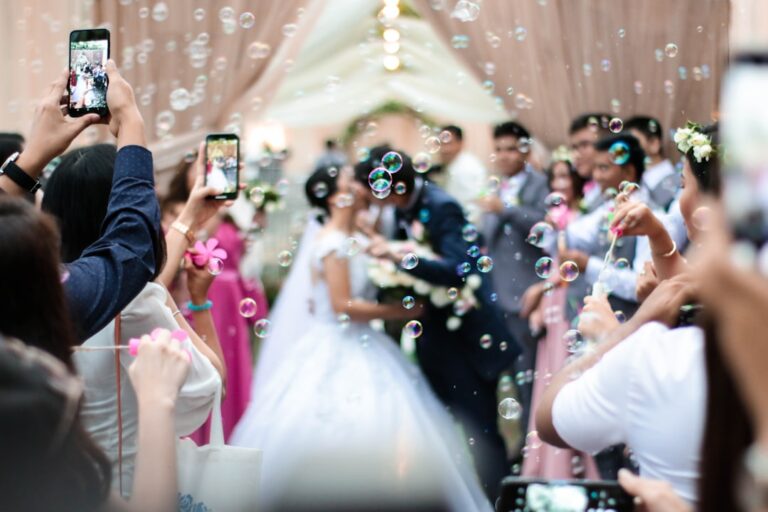
It rained on my wedding day. Not hard — a steady drizzle that started during the cocktail hour and stayed through dinner. Carol pulled out a clear umbrella she’d packed in her car. She shot the portraits under the awning of the mill’s loading dock. The photos are some of my favorites. The light was soft, the gray sky made everything look muted and intimate, and there’s a shot of me and my husband where we’re both laughing because my hair is starting to curl in the humidity. It’s not the photo I planned. It’s better.
The Second Shooter I Never Asked About
I would have asked to see the second shooter’s portfolio too.
Carol’s second shooter was a woman named Diana who had shot 12 weddings on her own. But I didn’t know that until the day of. I’d assumed Carol would just bring someone competent. She did. But I’d been lucky.
I’ve heard stories since then about second shooters who showed up hungover, who didn’t know how to use the gear, who spent the reception eating at the buffet instead of shooting. The lead photographer is responsible for that, but you’re the one who ends up with 300 photos from the reception that look like they were taken from across the room by someone who didn’t care.
Ask to see their work. Ask if they’ve shot at your venue before. Ask if they’re shooting with the same brand of camera — it matters for color consistency.
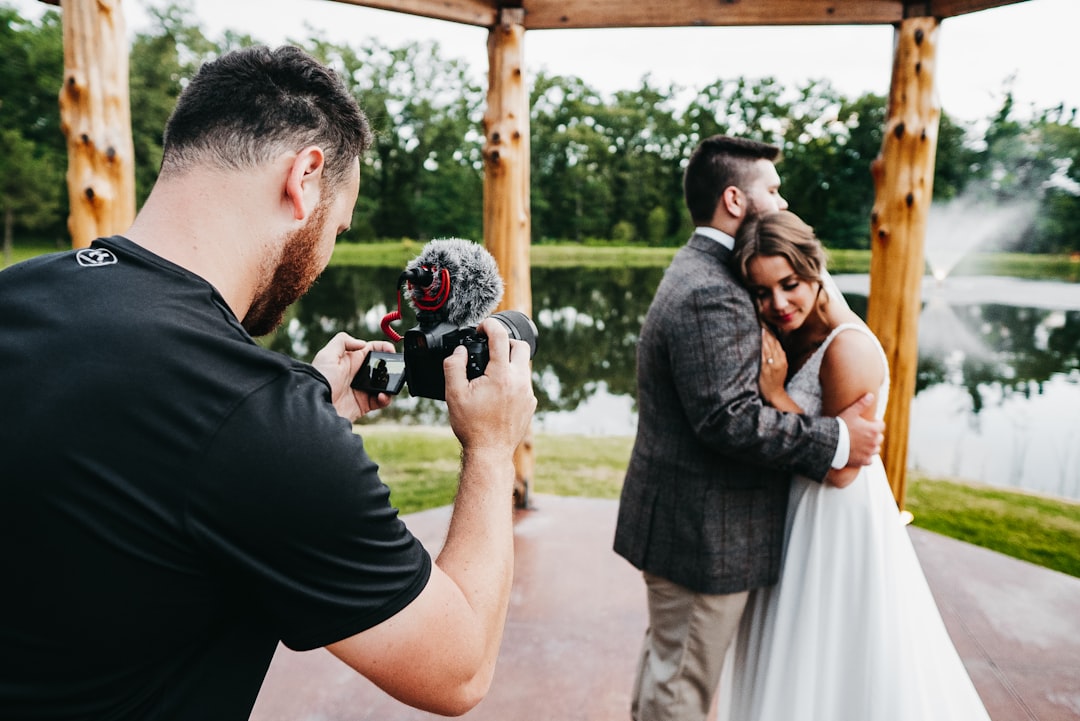
And ask if they’ve ever been left alone with the couple for more than 15 minutes. Because that happens. The lead photographer steps away to change a memory card or find a better angle, and suddenly the second shooter is the one capturing your first look, your parent’s toast, the moment your grandmother wipes her eyes during the ceremony. You want to know that person can handle it.
What the Light Does at 4:30 PM in April
Carol showed up at our venue two weeks before the wedding. Not for a formal walk-through — she just wanted to see the light at the time of day we’d be shooting. She texted me a photo from the loading dock. “This is what it’ll look like at 4:30,” she wrote. “Gold. You’ll have about 20 minutes of it.”
That kind of attention is what you’re paying for. Not the camera. Not the editing software. The ability to predict what the light will do and the planning to be in the right place when it does it.
I asked her once how she learned that. “Shooting 50 weddings,” she said. “And being wrong about 40 of them.”
I’d tell you to ask your photographer what they’ve been wrong about. Not what they’ve nailed, not their success stories, not the five-star review from the couple in Malibu. Ask them what they’ve learned the hard way. If they can’t think of anything, they haven’t shot enough weddings. If they can think of three, they’re probably honest. If they have a story about a battery dying during a first dance or a memory card corrupting during a ceremony — and they can tell you exactly what they changed afterward — hire them.
That’s how you choose a wedding photographer. Not from a portfolio. Not from a recommendation. From the story of what went wrong and what they did about it.
The wedding photos are on my wall now. The one from the loading dock, under the umbrella, with the gray sky and the curling hair. It’s not perfect. It’s exactly what happened.
📷 Photos: Chris (Unsplash), Brianna Parks (Unsplash)