A Wedding Seating Chart Nightmare: Emily’s Story
A Wedding Seating Chart Nightmare: Emily’s Story
I still remember the morning my friend Emily called me, frantic, because her wedding seating chart was turning into a nightmare. Her parents were divorced, and her father was remarried to someone Emily didn’t particularly get along with. To make matters worse, her mother had recently started dating someone new, and Emily wasn’t sure if she should invite him or not.
As we sat at a small café, sipping our coffee and trying to untangle the complicated web of relationships, I realized that wedding seating chart etiquette was a lot more complex than I had initially thought. It wasn’t just about assigning seats; it was about navigating delicate family dynamics and avoiding potential conflicts.
We spent the next few hours brainstorming and tossing around ideas, trying to find a solution that would work for everyone. We discussed the pros and cons of having a separate table for Emily’s father and his new wife, versus seating them with Emily’s mother and her new partner. We also talked about the importance of communicating clearly with all parties involved and making sure everyone was on the same page.
Navigating Sensitive Family Dynamics
As we delved deeper into the world of wedding seating chart etiquette, I began to appreciate the art of diplomacy that was required. It wasn’t just about finding a seat for each guest; it was about creating a harmonious and respectful atmosphere that would make everyone feel welcome and included.
I recall a conversation I had with a wedding planner who specialized in handling high-profile and sensitive weddings. She told me that the key to success was to be proactive and anticipate potential conflicts before they arose. This meant having open and honest communication with all parties involved, as well as being flexible and willing to make adjustments as needed.
One strategy she recommended was to create a “seating chart hierarchy” that prioritized the most sensitive guests first. This meant seating Emily’s parents and their respective partners in a way that would minimize potential conflict and ensure a smooth and enjoyable experience for all.
Another approach was to use “buffer tables” to separate guests who might not get along. This meant placing a neutral group of guests, such as friends or distant relatives, between potentially conflicting parties to create a sense of separation and reduce tension.
Creating a Harmonious Seating Chart
So, how do you navigate the complex world of wedding seating chart etiquette? Here are some practical tips and strategies that can help:
First, create a detailed seating chart that takes into account the relationships and dynamics between different groups of guests. This should include information about who gets along with whom, as well as any potential conflicts or sensitivities that need to be addressed.
Second, communicate clearly and proactively with all parties involved. This means sending out invitations and seating assignments well in advance, as well as being open to feedback and adjustments as needed.
Third, be flexible and willing to make changes as needed. This might mean switching seats or tables at the last minute, or finding creative solutions to unexpected problems that arise.
A Boisterous Family’s Seating Dilemma
To illustrate the challenges and complexities of wedding seating chart etiquette, let’s consider a few real-life examples and case studies. One couple I worked with had a large and boisterous family, with multiple divorces and remarriages that created a complex web of relationships.
We spent hours creating a detailed seating chart that took into account the various dynamics and sensitivities within the family. We also established a clear communication plan to ensure that everyone was on the same page and aware of the seating arrangements.
Another couple had a smaller and more intimate wedding, but with a number of sensitive guests who required special attention. We created a “seating chart hierarchy” that prioritized these guests and ensured they were seated in a way that would make them feel welcome and included.
In both cases, the key to success was to be proactive, flexible, and communicative. By anticipating potential conflicts and being willing to make adjustments as needed, we were able to create a harmonious and enjoyable experience for all guests.
A Conversation About Communication
Effective communication is critical when it comes to wedding seating chart etiquette. This means being clear and proactive in your communication with all parties involved, as well as being open to feedback and adjustments as needed.
I recall a conversation I had with a bride who was struggling to communicate with her divorced parents about the seating arrangements. She felt caught in the middle and wasn’t sure how to navigate the complex dynamics between her parents and their respective partners.
I advised her to take a step back and try to see things from her parents’ perspective. I encouraged her to have an open and honest conversation with them about her concerns and to listen to their needs and expectations.
By doing so, she was able to create a seating chart that worked for everyone and ensured a smooth and enjoyable experience for all guests.
Emily’s Wedding Day
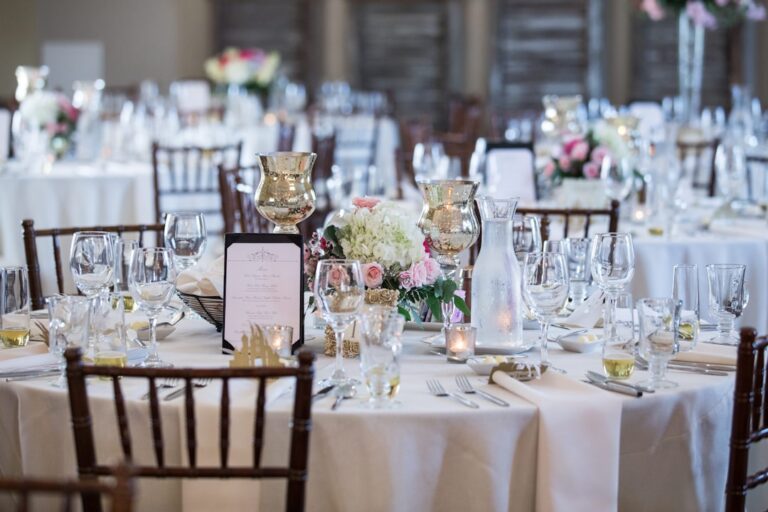
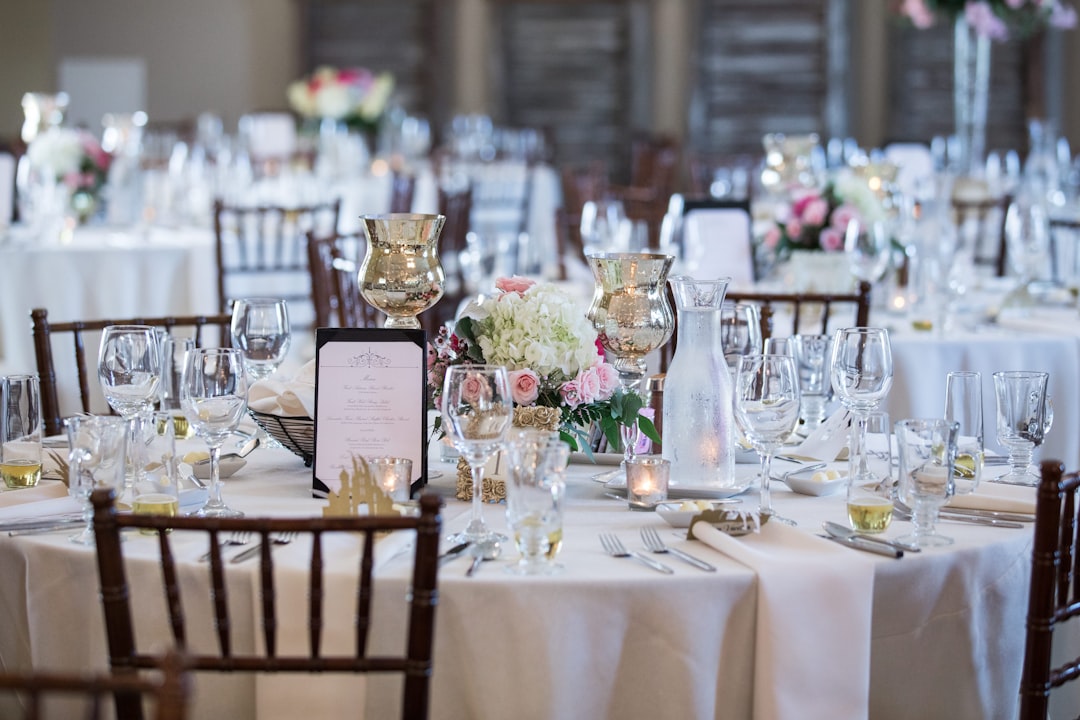
As I looked around the wedding reception and saw Emily’s parents and their respective partners laughing and chatting together, the atmosphere was filled with a sense of relief and joy. The tables were adorned with flowers and the sound of laughter and music filled the air. In that moment, it was clear that the seating chart had been a success, not because it was perfect, but because it had brought people together.
📷 Photos: Thomas Beaman (Unsplash), Josh McGregor (Unsplash)