The Seventy-Two-Hour Call: A Financial Contingency Plan for Wedding Postponement
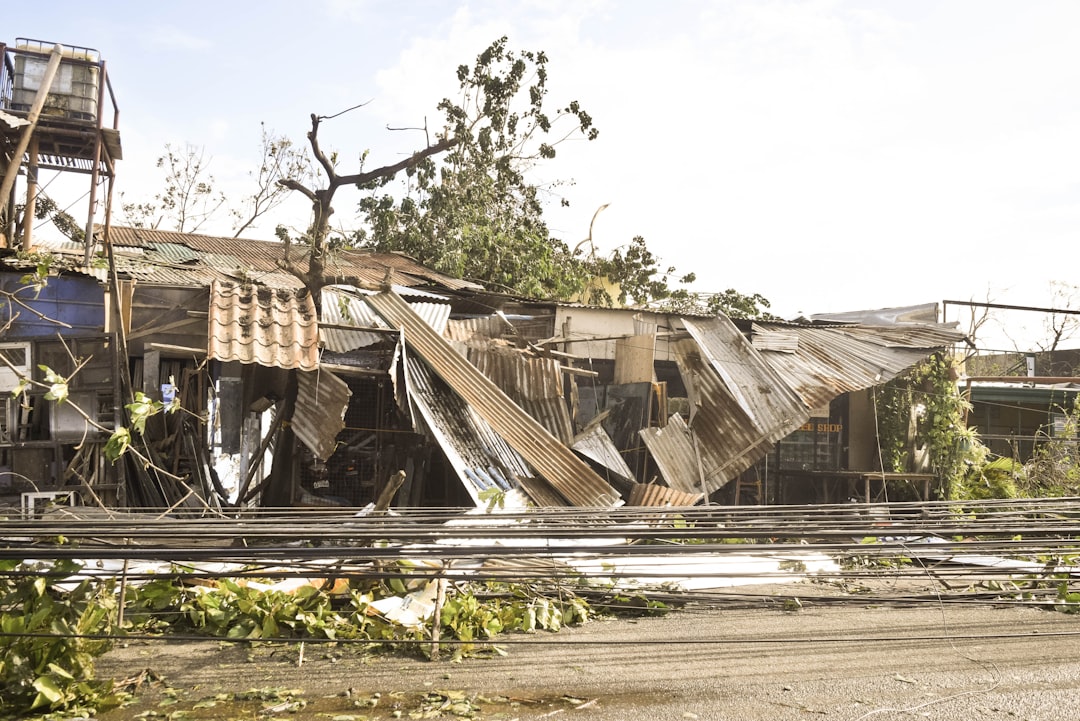
I started looking into this properly after a couple I know got married in September of last year. They had planned for a coastal ceremony in late autumn, expecting the usual seasonal rains but not a typhoon that parked itself over the peninsula for three days. Their venue lost power entirely, the access road flooded past the point of any vehicle getting through, and they had to call off the reception seventy-two hours before guests were meant to arrive. What surprised me most wasn’t the disruption itself — that felt inevitable given the weather — but how their finances held up. Or rather, how they almost didn’t.
The first thing most couples don’t realize is that standard wedding insurance almost never covers postponement due to a natural disaster unless you’ve specifically selected a policy that names it. I read through six different plans offered by major insurers in the region, and the default language in nearly every one treats natural disasters as an “act of God” exclusion clause. What that means in practice: if a monsoon cancels your outdoor reception, the policy may still pay out only if the venue itself becomes structurally unusable — not if it’s merely raining sideways and your guests can’t reach it. The couple I mentioned had taken out a comprehensive-looking policy three months before the date. They assumed they were covered for everything short of a personal health emergency. They weren’t.
The hidden variable here is what insurers classify as “force majeure” versus “inconvenience.” Force majeure typically includes events like earthquakes, volcanic eruptions, or government-mandated evacuations. It rarely covers the cascade effects — a road closure, a regional power outage, a supplier who can’t deliver because their own warehouse flooded two towns away. One planner I spoke to in Jakarta described it as the difference between the ceremony site collapsing and the road to the ceremony site collapsing. Most policies only insure the first scenario. The second is where the real costs live: deposits for caterers who still expect payment even if the food can’t arrive, floral arrangements that wilt while you’re waiting for a route to clear, accommodation bookings that fall outside the refund window.
I’ve come to believe that the most practical financial hedge isn’t insurance at all — it’s a cancellation clause written directly into your vendor contracts. This is the detail that most coverage misses entirely. Couples pour energy into comparing floral pricing and menu tastings but rarely negotiate what happens if the event can’t proceed. A vendor who offers a full refund if you cancel sixty days out is common. A vendor who offers a fifty percent refund if you cancel seven days out due to a named storm or regional disaster is rare — and it’s worth paying slightly more for that exact language. I watched a bride in Taipei negotiate her photographer down by three hundred dollars on the base package, then lose the entire deposit when the photographer’s contract only offered a date-transfer option and her new date was already booked. The discount saved her nothing in the end.
If contract negotiation feels awkward — and it does for most people — there’s a workaround that’s become more common in the last few years: the separate postponement contingency fund. This is not an insurance policy or a line item in your wedding budget. It’s a dedicated cash reserve held entirely outside your wedding planning accounts, accessible only for the specific purpose of covering costs that arise from a forced date change. I first heard about this approach from a planner in Singapore who told me she advises all her clients to set aside between ten and fifteen percent of their total budget into this fund. The number surprised me until she explained that most last-minute postponement expenses aren’t huge single costs — they’re a dozen medium-sized ones that collectively eat the same amount: a rebooking fee for the venue, a rush surcharge for the caterer on a new date, replacement invitations, a second round of dress alterations if the season changes and the original cut no longer fits the weather.
I’ve found that the most overlooked cost in any postponement scenario is travel. Not the guests’ travel — that’s their problem, and most people understand the risk when they book flights for someone else’s wedding. The overlooked cost is the couple’s own travel and the pre-paid local transport. If you’ve booked a wedding in a destination that requires a flight for you, and the event gets pushed back by four months, that flight credit may or may not transfer depending on the fare class you chose. I know a couple who lost twelve hundred dollars on business-class tickets to a resort island because their carrier’s change policy only applied to the same travel month. The resort was flexible about moving the date. The airline was not. The lesson: if your wedding involves any non-refundable long-distance transport for the two of you, factor the potential loss of those tickets into your contingency calculation. Do not assume the airline will make an exception because it’s a wedding.
Timing of the postponement announcement matters more financially than most people realize. Many vendor contracts include a sliding scale of penalties based on how far out the cancellation happens. I’ve seen contracts where cancelling thirty days before the date costs forty percent of the total, but cancelling fourteen days before costs seventy percent, and seven days before costs the full amount minus a small service fee. The window between thirty days and fourteen days is where the most money can be saved or lost, yet few couples know to look for that specific threshold when signing. One florist in Chiang Mai told me she’s had brides call in tears at the ten-day mark, asking for partial refunds on arrangements that had already been cut and conditioned. Her policy was clear, but she’d never discussed it during the initial consultation because nobody asked.
There’s a regional dimension to this that I don’t see addressed in most wedding planning content. Different parts of the world have different seasonal risks, and the insurance products available reflect those local conditions. A policy written in Tokyo will almost certainly include earthquake coverage because the market demands it. The same policy design in Bangkok might treat earthquake as an add-on rider because it’s less common there, but flood coverage will be standard. If you’re planning a wedding in a region you don’t live in — a destination wedding, essentially — you need the local insurance product, not one from your home country. I watched a couple from Australia plan a wedding in Bali and buy a policy from an Australian insurer. The policy explicitly excluded “monsoon-related disruption” because the Australian underwriter categorized it as a seasonal inevitability rather than a disaster. In Bali, a monsoon is both seasonal and a disaster when it shuts down the roads into Ubud. The distinction cost them their entire catering deposit.
The practical steps for building the plan itself are straightforward once you know what to look for, but they take time. Start by listing every single vendor you’ve paid any deposit to, no matter how small. Then check each contract for two things: the cancellation penalty schedule (how much you lose at each time interval before the date) and the force majeure clause (what events trigger a full refund versus a credit versus nothing). I recommend doing this check before you sign any contract, but if you’re already past that point, do it immediately anyway — knowing what you’re on the hook for is itself a form of preparedness. Then build your contingency fund. I’ve found that a simple separate savings account with automatic monthly transfers works better than trying to guess the amount after you’ve already started spending. If your total wedding budget is forty thousand, aim to have four to six thousand in that account before you start booking non-refundable vendors.
One detail that surprised me: the cheapest way to protect yourself financially isn’t a policy or a fund — it’s a backup date. I’ve seen planners who automatically book a second date with the venue at the same time as the first, typically ninety days later, and pay a small retainer to hold it. The retainer is usually a fraction of the original deposit, sometimes as little as five percent. If you don’t need the second date, you lose that retainer. If you do need it, you already have a confirmed slot at the same venue without competing with other couples for availability. The caterer and photographer can then be moved to that date without the scramble of finding a new Saturday in a popular season. It’s an inelegant solution that feels redundant at the time of booking. Several planners I’ve interviewed have described it as the single most effective financial decision their clients have made, even though it requires paying for something you hope never to use.
The last thing most coverage misses is the emotional cost that has a financial shadow. When a wedding gets postponed by a natural disaster, there’s often a second wave of expenses that comes from the couple trying to recreate the feeling of the original plan — a different dress because the season changed, a new color palette because the flowers available in November aren’t available in February, additional decor to cover the fact that the venue looks different in a different month. These are not frivolous expenses. They are genuine attempts to salvage the emotional experience. But they are also real costs that should be anticipated. I’ve heard of couples spending an extra three to five thousand dollars on adjustments after a postponement because they refused to let go of the vision they’d originally built. A contingency plan that accounts only for cancellation penalties and not for the cost of adaptation is a plan that will leave you short.
The fund sits there and you hope it stays untouched. The backup date sits on a calendar and you hope you cancel it. Nothing about this kind of planning feels romantic. It removes the financial panic from an already stressful situation — and that, more than any specific dollar amount, is what makes it worth doing.

📷 Photos: Carl Kho (Unsplash), Clay Banks (Unsplash)